The European Investment Bank (EIB) has signed an advisory agreement with Resonac Graphite Spain to support the development of a pioneering synthetic graphite production project in A Coruña, Spain. The initiative aims to strengthen Europe’s battery supply chain by producing sustainable graphite for battery anodes used in electric vehicles (EVs) and energy storage systems. Through… [Read More]
EIB Marks Four Decades of Spain’s EU Membership with Record Investment Impact
The European Investment Bank (EIB) Group marked the 40th anniversary of Spain’s accession to the European Union by highlighting four decades of investment that have contributed significantly to the country’s economic transformation, infrastructure development, innovation, and sustainability goals. During a special event held in Madrid, EIB Group President Nadia Calviño emphasized the institution’s long-standing role… [Read More]
EIB and SACE Provide €100 Million to Modernize Water Infrastructure in Tuscany
The European Investment Bank (EIB), supported by SACE and the European Union’s InvestEU programme, has approved €100 million in financing for ASA Livorno, the integrated water services provider serving 32 municipalities across the Italian provinces of Livorno, Pisa, and Siena. The investment aims to strengthen water security, modernize essential infrastructure, improve environmental sustainability, and enhance… [Read More]
Europe Boosts Wind Energy Supply Chain with €60 Million InvestEU-Backed Agreement
The European Investment Bank (EIB), HSBC Continental Europe, and Hellenic Cables have entered into a strategic partnership backed by the InvestEU programme to strengthen Europe’s wind energy supply chain and accelerate the continent’s clean energy transition. Under the agreement, the EIB will provide a €60 million counter-guarantee to HSBC, enabling the bank to expand the… [Read More]
World Bank Approves $200 Million Renewable Energy Program to Expand Electricity Access and Create Jobs in West and Central Africa

The World Bank has approved a $200 million financing package to support the first phase of the Regional Program for Distributed Access through Renewable Energy Solutions (Regional DARES), a broader $853 million initiative aimed at expanding access to clean, reliable, and affordable electricity across Benin, the Central African Republic, Liberia, and Sierra Leone. The program… [Read More]
Global Gas Flaring Reaches 167 BCM in 2025, Wasting $54 Billion in Energy Resources
According to the latest World Bank Global Gas Flaring Tracker 2025, global gas flaring increased for the third consecutive year, reaching 167 billion cubic meters (bcm) of natural gas burned off at oil production sites. This represents an estimated economic loss of $54 billion worth of gas, highlighting a major missed opportunity for improving energy… [Read More]
Annual COVID-19 Boosters Still Offer Strong Protection Against Severe Illness, Study Finds
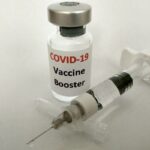
A new study has found that annual COVID-19 booster vaccinations continue to provide significant protection against severe illness, even among people who already have immunity from previous infections, vaccinations, or both. Researchers analyzed data from more than 110,000 emergency department visits and hospital admissions across seven U.S. states between September and December 2025. The findings… [Read More]
South Sudanese Refugee Woman Shares Struggle Against Domestic Violence in Uganda Settlement

A South Sudanese refugee living in Uganda’s Rhino Camp Refugee Settlement has shared her story of surviving years of domestic violence, highlighting the challenges faced by women and girls in displacement settings and the importance of community support services. The 37-year-old Kakwa woman fled conflict in South Sudan with her family in 2017 and has… [Read More]
Global Learning Crisis Puts Future of Millions of Children at Risk, UN Report Warns
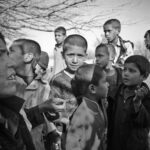
A new United Nations-backed report has warned that conflict, displacement, and climate-related disasters are driving a global education crisis that threatens the future of millions of children worldwide. According to the report, an estimated 258 million school-aged children and adolescents are being affected by emergencies that disrupt learning and limit access to quality education. The… [Read More]
UN Commission Accuses Israel of Deliberately Targeting Palestinian Children in New Report

A United Nations independent commission of inquiry has accused Israeli authorities and security forces of deliberately targeting Palestinian children in Gaza and the occupied West Bank, alleging actions that amount to genocide, atrocity crimes, and war crimes. The findings were presented in a report released on June 23, 2026, examining the impact of the conflict… [Read More]
IWMI-Tata Partnership Marks 25 Years of Transforming India’s Water and Agriculture Policies
The International Water Management Institute (IWMI) and Tata Trusts are celebrating 25 years of collaboration through the IWMI-Tata Water Policy Research Program (ITP), a partnership that has significantly influenced India’s water, energy, agriculture, and climate policies since 2000. Based in Anand, Gujarat, the program combines IWMI’s scientific expertise with Tata Trusts’ extensive grassroots network to… [Read More]
World Bank Approves $3.39 Billion Program to Boost Private Sector Growth and Job Creation in Ukraine

The World Bank has approved the First Ukraine Jobs and Private Sector Growth Development Policy Operation (DPO), providing $3.39 billion in financing to support Ukraine’s economic recovery, private sector development, and long-term growth. The funding package includes a $1.04 billion World Bank loan, backed by support from the Governments of Japan and the United Kingdom,… [Read More]
Powering Growth in Honduras: New Electricity Interconnection Improves Energy Access and Reduces Costs

Honduras has taken a major step toward strengthening its energy sector through the San Pedro Sula Sur–San Buenaventura Interconnection Project, supported by the Inter-American Development Bank (IDB) with a $155 million investment. The project was designed to address long-standing transmission bottlenecks in the Sula Valley, the country’s largest industrial and commercial hub, where limited grid… [Read More]
UNEP and Bloomberg Philanthropies Launch Global Push to Cut Major Methane Leaks by 2030
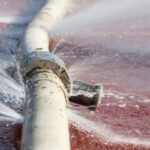
The United Nations Environment Programme (UNEP) and Bloomberg Philanthropies have announced a major initiative to help countries increase their response rate to significant methane leaks to 80 percent by 2030. The effort aims to ensure that methane emissions detected from space are investigated quickly and placed on a path toward mitigation, supporting global climate goals…. [Read More]
Governor Moore Expands Maryland Community Business Compass Funding Database Tenfold

Maryland Governor Wes Moore has announced a major expansion of the funding database within the Maryland Community Business Compass, significantly increasing access to financial resources for entrepreneurs and small business owners across the state. The enhanced platform now provides access to nearly 2,500 funding and support programs, representing a tenfold increase from the approximately 250… [Read More]
Higher Temperatures Are Straining Health Systems Across Latin America

A new analysis by the Inter-American Development Bank highlights how rising temperatures are reducing the working capacity of healthcare professionals across Latin America and the Caribbean. Beyond its impact on health outcomes and agriculture, extreme heat is creating significant productivity losses within healthcare systems by increasing fatigue, reducing concentration, and limiting the number of hours… [Read More]
EBRD Invests €230 Million to Upgrade Key Transport Corridor in Western Kazakhstan

The European Bank for Reconstruction and Development (EBRD) is providing a loan of up to €230 million to support the completion of a major road modernization project in western Kazakhstan. The financing will help the state-owned road operator QazAvtoZhol upgrade a 234-kilometer section of highway between Aktobe and Ulgaisyn, strengthening regional and international transport connectivity…. [Read More]
EBRD Backs Renewable Energy Integration in Bishkek’s Heating Network

The European Bank for Reconstruction and Development (EBRD) has organized a financing package of up to €64 million to modernize district heating services in Bishkek, the capital of the Kyrgyz Republic. This marks the EBRD’s first district heating project in the country and aims to improve energy efficiency, environmental sustainability, and air quality. The package… [Read More]
Ireland Announces €230 Million Investment to Transform All-Island Rail Network

The Government of Ireland has announced a major €228 million Shared Island Fund investment to improve rail connectivity across Ireland, supporting faster, more reliable, and better-connected services between Dublin, Belfast, and the North-West. The funding, delivered in partnership with the Department for Infrastructure in Northern Ireland, will accelerate key rail projects designed to strengthen the… [Read More]
US$25 Million EBRD Financing to Boost Sustainable Steel Production in Uzbekistan

The European Bank for Reconstruction and Development (EBRD) has approved a loan of up to US$25 million for Tashkent Pipe Plant (TPP), one of Uzbekistan’s largest private producers of fabricated steel products. The financing will support the company’s modernization efforts and improve energy efficiency across its manufacturing operations. The investment will enable TPP to upgrade… [Read More]
€46 Million EBRD Loan Boosts Electricity Infrastructure and Green Energy Transition

The European Bank for Reconstruction and Development (EBRD) has approved a loan of up to €46 million to strengthen the electricity transmission system in Bosnia and Herzegovina. The funding will support the state-owned transmission company TransCo in modernizing critical grid infrastructure and improving the reliability of electricity supply across the country. The project will finance… [Read More]
EBRD Invests $10 Million to Strengthen Pharmacy Services Across Uzbekistan

The European Bank for Reconstruction and Development (EBRD) is supporting the expansion of Big-Family-Pharm (BFP), the operator of the Akmal Pharm pharmacy chain, through a loan of up to US$10 million. The investment aims to improve access to licensed medicines and healthcare services across Uzbekistan, particularly in the Fergana Valley region. BFP currently operates 86… [Read More]
Ireland Announces €377 Million Shared Island Investment Package for Connectivity, Sustainability and Growth

The Irish Government has announced a €377 million investment package through the Shared Island Fund to support 12 new projects aimed at strengthening connectivity, sustainability, public services, and economic development across the island of Ireland. The latest funding brings total allocations from the Shared Island Fund to more than €1 billion. The projects will be… [Read More]


