
Human Rights Watch and other non-governmental organizations are calling on UN Human Rights Council members to address Tunisia’s deteriorating human rights situation during the Council’s 63rd session, scheduled for September 7 to October 9, 2026. The organizations have raised concerns about the erosion of judicial independence, restrictions on freedom of expression and growing pressure on… [Read More]
ADB Calls for Faster Progress on Southeast Asia Connectivity

The Asian Development Bank (ADB) has urged Southeast Asian governments to accelerate the development and financing of cross-border infrastructure, warning that delays could leave the region vulnerable to future global shocks. Speaking at the ASEAN High-Level Conference on Connectivity in Manila on August 26, ADB President Masato Kanda said stronger connections across power, transport, digital… [Read More]
Ireland Launches New Award for Excellence in Collective Bargaining

Ireland’s Department of Enterprise, Tourism and Employment has launched a new Excellence in Collective Bargaining Award as part of the CIPD in Ireland HR Awards 2027. Sponsored by the department, the new award will recognize organizations that demonstrate effective collective bargaining, constructive social dialogue and meaningful engagement between employers, employees and their representatives. The new… [Read More]
Amnesty Calls for Sweeping Social Media Reforms Following Meta’s $18 Billion Settlement

Amnesty International USA has called for major reforms across the social media industry following reports that Meta has reached an approximately $18 billion settlement with 47 US states over allegations that its platforms harmed children. The settlement is being described by Amnesty as a potential turning point for online child safety. The organization is urging… [Read More]
Sengenge Women’s Group Strengthens Food Security and Resilience in Kenya

In Kenya’s semi-arid West Pokot County, the Sengenge Mother-to-Mother Support Group is helping families improve food security, nutrition and livelihoods through climate-smart agriculture, reliable water access and women-led economic initiatives. The group consists of 15 women with children under five and began working with Action Against Hunger in 2024 after being identified through a local… [Read More]
Republic of Korea and WFP Expand Food and Nutrition Assistance in Syria

The Republic of Korea and the United Nations World Food Programme (WFP) have launched the second phase of their REACH initiative to provide life-saving food and nutrition assistance to vulnerable people across Syria. Backed by US$5 million in funding, REACH Phase II will support approximately 38,000 people over the next 12 months. The programme expands… [Read More]
WFP-Led Sahel Initiative Recognized for Restoring Land and Strengthening Food Security
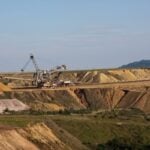
The United Nations World Food Programme (WFP) has welcomed the recognition of its Sahel Integrated Resilience Initiative as a United Nations World Restoration Flagship, highlighting large-scale efforts to restore degraded land and improve food security across Burkina Faso, Chad, Mali, Mauritania and Niger. Since 2018, the WFP-led programme has worked with governments, local communities and… [Read More]
Stronger Shelters Offer Greater Safety for Rohingya Families in Cox’s Bazar
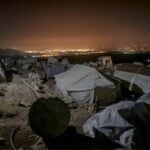
Thousands of Rohingya families in Cox’s Bazar continue to face severe risks from monsoon rains, strong winds, flooding, fires and landslides. This year, more than 5,500 shelters across the camps were damaged by extreme weather, highlighting the urgent need for safer and more resilient housing. However, Temporary Safer Shelters supported by the Bangladesh Red Crescent… [Read More]
World Bank Supports Water Security and Agricultural Resilience in Brazil’s Paraná State

The World Bank Group is supporting Brazil’s Paraná state with a new project designed to strengthen water security, improve agricultural resilience and protect rural communities from increasingly frequent droughts and floods. Backed by a US$186 million loan from the International Bank for Reconstruction and Development, the project is expected to generate or protect between 54,000… [Read More]
Strong Sterling Demand Drives World Bank’s GBP 1.25 Billion Sustainable Development Bond

The World Bank has raised GBP 1.25 billion through a new six-year sterling-denominated Sustainable Development Bond, supported by strong demand from investors across global markets. Priced on August 26, 2026, the bond is scheduled to mature on November 15, 2032. It carries an annual coupon of 4.750% and a yield of 4.766%, with the transaction… [Read More]
CARE Nepal Prepares Emergency Support After Bhote Koshi River Flash Flood

CARE Nepal is preparing to support communities affected by a sudden flash flood that swept through Nepal’s Rasuwa district on August 26, 2026. The flood travelled down the Bhote Koshi River from the Tibetan side, affecting areas including Timure and Syabrubesi before flowing into the Trishuli River. The flooding has triggered high alerts in Nuwakot,… [Read More]
African Development Bank Supports Next Phase of Great Green Wall Initiative

The African Development Bank has pledged to work with international and regional partners to mobilise financing for the next phase of Africa’s Great Green Wall Initiative (GGWI), as leaders call for faster action on land restoration and climate resilience. The commitment was announced during the 17th Conference of the Parties to the UN Convention to… [Read More]
Barbados Strengthens Responsible Communication on Suicide

Stakeholders in Barbados are taking steps to strengthen responsible communication on suicide, with a focus on accurate reporting, newsroom accountability, mental health support for media professionals and closer cooperation among communicators and frontline services. The actions followed a two-day practical training on responsible reporting on suicide hosted by the Ministry of Health and Wellness and… [Read More]
Investing in America Child Care Partnership Strengthens Local Child Care Systems

The Investing in America Child Care Partnership is helping communities across the United States expand access to high-quality, affordable child care while supporting economic development and the growing infrastructure workforce. Launched in June 2024 by national foundations and nonprofit partners, the initiative brings together public infrastructure and economic development funding with employer partnerships to strengthen… [Read More]
West Africa Strengthens Emergency Healthcare with 30 New Ambulances
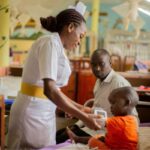
Thirty new, fully equipped ambulances are being delivered to 12 countries across West Africa as part of an initiative to strengthen emergency healthcare services and improve access to essential medical care. Procured by UNOPS with funding from the West African Health Organisation, the ambulances are being distributed to Benin, Cabo Verde, Côte d’Ivoire, The Gambia,… [Read More]
UNOPS and Denmark Advance Community Restoration in Mykolaiv

UNOPS and the Government of Denmark are continuing efforts to restore communities in Mykolaiv, southern Ukraine, following extensive damage caused by the ongoing war. The project focuses on rebuilding essential infrastructure while creating safer and more resilient neighbourhoods for residents. As of August 2026, partial repairs are underway at nine additional residential buildings damaged by… [Read More]
Central Asian Experts Strengthen Wildlife Disease Surveillance Through One Health Network
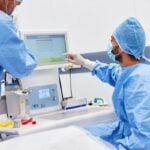
Central Asian experts are strengthening wildlife disease surveillance and regional cooperation through a new One Health network focused on wildlife health, zoonotic diseases and biodiversity conservation. A three-day Regional Laboratory Diagnostics Workshop held in Almaty, Kazakhstan, brought together scientists and laboratory specialists from Kazakhstan, Kyrgyzstan, Tajikistan, Turkmenistan, Uzbekistan and the United Kingdom. The April workshop… [Read More]
Japan Contributes $3.1 Million for Food and Nutrition Assistance in Palestine

Japan has contributed approximately $3.1 million to the United Nations World Food Programme (WFP) to provide lifesaving food and nutrition assistance to Palestinians facing severe food insecurity. The grant of JPY 500 million will support the purchase of wheat flour and Japanese canned fish, helping meet essential food and nutrition needs for more than 170,000 people across Gaza and the West… [Read More]
New Zealand Announces $9.7 Million to Control Wild Goats and Deer

New Zealand has announced a $9.7 million funding boost over four years to help protect national parks and native ecosystems from the impacts of wild goats and deer. Conservation Minister Tama Potaka said the funding, provided through the International Visitor Conservation and Tourism Levy (IVL), will support targeted wild goat and deer management across nationally significant conservation areas…. [Read More]
Burundi Launches $100.5 Million Credit Facility for Agribusiness Investors

Burundi has launched a BIF 300 billion ($100.5 million) credit facility through CRDB Bank Burundi to boost investment in agriculture, livestock, agricultural processing and other productive economic activities. The facility will offer loans at an annual interest rate of 5%, with financing available for agricultural machinery, livestock equipment and other investments aimed at expanding production. The initiative seeks… [Read More]
UNDP and HUL Partner to Scale Circular Economy for Plastics in India
The United Nations Development Programme (UNDP) in India and Hindustan Unilever Limited (HUL) have announced a new phase of their partnership to strengthen India’s inclusive circular economy and improve end-to-end plastic waste management. The partnership aims to support 50,000 Safai Mitras and strengthen waste management systems across 50 cities by 2028. The initiative will connect waste… [Read More]
€11.5 Million Energy Retrofit Transforms Government Offices in Galway

Government offices at Áras an tSáile in Renmore, Galway, have officially reopened following an €11.467 million energy retrofit project aimed at improving energy efficiency, reducing emissions and creating a more sustainable workplace. The reopening was marked on 24 August 2026 by Minister for Defence Helen McEntee and Minister of State with responsibility for the Office… [Read More]
South Africa Committee Calls for Stronger Action to Advance Women in Science and Technology

South Africa’s Portfolio Committee on Science, Technology and Innovation is calling for stronger and more coordinated action to ensure women and girls can enter, advance and take leadership roles in science, technology and innovation. As the country marks National Women’s Month, the committee has recognised the growing contribution of women to research, innovation and technological… [Read More]


