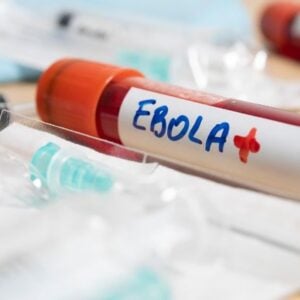
Geneva/Nairobi — June 1, 2026 — The race to contain the Bundibugyo strain of Ebola has intensified, with the Coalition for Epidemic Preparedness Innovations (CEPI) announcing urgent acceleration of three investigational vaccine candidates. At the same time, Kenya’s High Court has halted a controversial US plan to establish an Ebola quarantine facility in Laikipia.
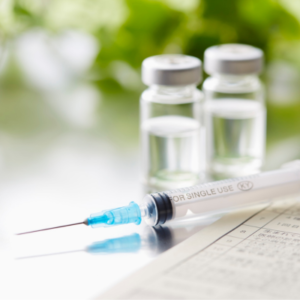
CEPI will invest up to $62 million to support vaccine candidates from IAVI, Moderna, and the University of Oxford, manufactured at the Serum Institute of India. Among them, IAVI’s rVSV-based vaccine, developed with the University of Texas Medical Branch, has shown 100% efficacy in nonhuman primate studies and is being prioritized by the World Health Organization (WHO) for clinical trials.
IAVI CEO Mark Feinberg emphasized the urgency: “We are acting quickly and responsibly to advance this candidate, building on lessons from Merck’s Ebola Zaire vaccine developed during the 2014–2018 outbreak.” Clinical trials could take seven to nine months before large-scale production begins.
Meanwhile, Gavi, the Vaccine Alliance, has pledged up to $50 million through its First Response Fund to ensure manufacturers are ready to produce doses once a vaccine is approved. Gavi CEO Dr Sania Nishtar stressed the need for immediate action to avoid delays in scaling up production.
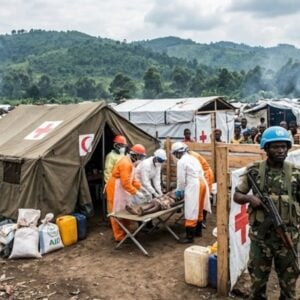
The outbreak in the Democratic Republic of Congo (DRC) and Uganda has already seen over 1,000 suspected cases and 246 deaths, with WHO Director-General Dr Tedros Adhanom Ghebreyesus warning of persistent challenges in detection, isolation, safe burials, and community awareness.
In Kenya, the High Court extended an interim order blocking the US from establishing a 50-bed quarantine facility for its citizens exposed to Ebola. The ruling followed a petition by the Katiba Institute and the Kenya Law Society, citing public health risks. The Kenya Medical Practitioners, Pharmacists and Dentists Union (KMPDU) threatened strike action, arguing that Kenya should not be treated as a “containment colony” for a lethal pathogen.
Judge Patricia Nyaundi ordered the government to disclose all agreements and operational protocols related to the facility within seven days, with the case set to be heard on June 23.
Together, these developments highlight both the urgency of advancing vaccines against the Bundibugyo strain and the geopolitical tensions surrounding international responses to the outbreak.