Representatives from 10 countries across the Americas joined international health experts and development partners in San Salvador, El Salvador, for the Seventh Meeting of National Program Managers for the Elimination of Trachoma as a Public Health Problem in the Americas. Organised by the Pan American Health Organization (PAHO) from 13 to 15 July 2026, the meeting focused on strengthening regional cooperation to accelerate the elimination of trachoma across the continent.
Delegations from the Ministries of Health of Bolivia, Brazil, Colombia, Ecuador, El Salvador, Guatemala, Guyana, Panama, Paraguay, and Venezuela participated alongside representatives from the World Health Organization (WHO), the U.S. Centers for Disease Control and Prevention (CDC), the International Trachoma Initiative (ITI), the International Coalition for Trachoma Control (ICTC), the International Agency for the Prevention of Blindness (IAPB), Tropical Data, and other international partners.
The meeting took place shortly after El Salvador was officially validated by WHO and PAHO for eliminating trachoma as a public health problem, providing an important example for other countries working toward the same goal.
During the three-day event, participants reviewed regional progress, shared best practices, and discussed strategies to strengthen national programmes. Experts highlighted that eliminating trachoma requires integrated public health approaches combining primary healthcare, eye care, immunization, neglected tropical disease control, malaria programmes, and improvements in water, sanitation, and hygiene (WASH).
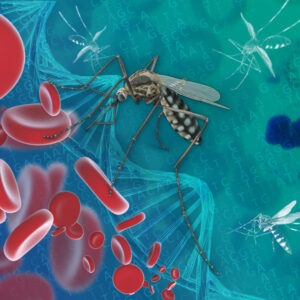
Countries also exchanged experiences on epidemiological surveillance, active case detection, post-elimination monitoring, and implementation of the SAFE strategy, which includes surgery, antibiotics, facial cleanliness, and environmental improvements. Participants explored new approaches to disease surveillance, including the use of integrated blood testing and strengthened eye health monitoring systems.
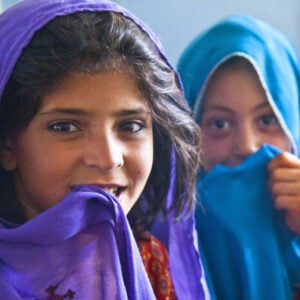
The discussions also emphasised the importance of culturally appropriate and community-based interventions. Delegates highlighted the need to work closely with Indigenous communities, promote intercultural dialogue, and combine traditional and modern healthcare practices. Educational programmes, hygiene promotion, safe water management, and improved sanitation were identified as essential components for preventing future infections.
Since 2023, PAHO has led the Initiative for the Elimination of Trachoma in the Americas, with financial support from the Government of Canada. The initiative helps strengthen national health systems, improve surveillance, expand implementation of the SAFE strategy, and address the underlying social and environmental factors that contribute to the disease.
Trachoma is caused by the bacterium Chlamydia trachomatis and remains one of the world’s leading infectious causes of blindness. The disease primarily affects rural, remote, and Indigenous communities with limited access to healthcare, clean water, and sanitation.
The meeting concluded with participating countries reaffirming their commitment to strengthening surveillance, expanding community-based interventions, and increasing regional collaboration. Continued investment in health systems, culturally responsive programmes, and cross-sector partnerships will be essential to achieving the goal of eliminating trachoma as a public health problem throughout the Americas.