The World Health Organization (WHO) has called for immediate action to address the growing global cancer burden, warning that annual cancer cases could rise from 20.6 million today to nearly 35 million by 2050 without stronger prevention, early detection, and treatment efforts.
According to the WHO Global Status Report on Cancer 2026, developed with the International Agency for Research on Cancer (IARC), cancer remains the second leading cause of death worldwide, causing nearly 10 million deaths each year. Beyond its health impact, cancer also creates significant emotional, social, and financial challenges for patients and their families.
The report highlights major inequalities in cancer care, with access to prevention, diagnosis, treatment, and supportive services varying widely between countries. For example, breast cancer survival rates are significantly higher in high-income countries compared with low-income countries, where many patients continue to face barriers to timely care. The report also notes that fewer than one-third of countries currently include cancer services in their universal health coverage programmes.
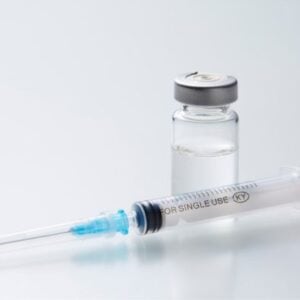
WHO emphasizes that many cancer cases are linked to preventable risk factors, including tobacco use, alcohol consumption, obesity, physical inactivity, unhealthy diets, and infections such as human papillomavirus (HPV) and hepatitis viruses. Strengthening prevention programmes, vaccination efforts, and public health policies will be essential to reducing future cancer rates.
In the Americas, cancer continues to be a major health challenge, with nearly 1.5 million new cases and more than 750,000 deaths estimated in Latin America and the Caribbean in 2024. The region faces ongoing challenges related to unequal access to screening, diagnosis, treatment, palliative care, and financial protection for people affected by cancer.
The report recognizes progress in several areas, including declining tobacco use, expanded vaccination coverage, stronger national cancer control plans, and advances in scientific research. However, WHO warns that these improvements are not reaching all populations equally, particularly in low- and middle-income countries where essential cancer medicines and services remain limited.
WHO is calling for a people-centred approach to cancer control that places patients and communities at the heart of healthcare systems. The organization recommends integrating cancer services into universal health coverage, strengthening social protection for affected families, and ensuring that research and innovation lead to accessible and equitable treatments.
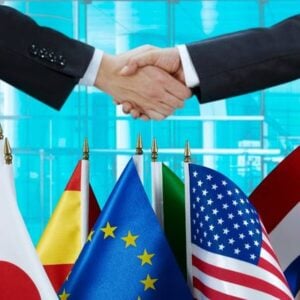
The WHO stresses that decisions made today will determine the future impact of cancer worldwide. Through stronger prevention, investment, and global cooperation, countries can reduce cancer-related suffering and improve outcomes for people everywhere.