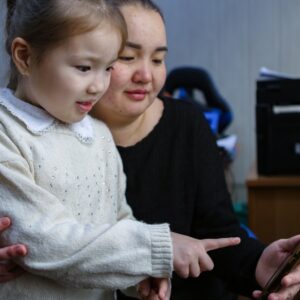
Baramita District Hospital in Guyana’s Region One (Barima-Waini) is set to be certified under the Baby-Friendly Hospital Initiative (BFHI) in 2026 after successfully meeting international standards for supporting breastfeeding and maternal and newborn health.
The assessment was conducted by the Pan American Health Organization (PAHO) and the World Health Organization (WHO), in collaboration with Guyana’s Ministry of Health Food Policy Division and with support from the Canadian-funded project focused on improving sexual and reproductive health services for women and adolescent girls.
The evaluation reviewed the hospital’s implementation of the Ten Steps to Successful Breastfeeding, including staff practices, support provided to mothers, healthcare procedures, and educational efforts. Using the Hospital External Assessment Tools for Caribbean Countries, assessors conducted interviews, observations, document reviews, and discussions with healthcare workers, mothers, and pregnant women.
Baramita District Hospital achieved scores ranging from 86% to 100% across the assessed areas, exceeding the required threshold for BFHI certification. The results highlight the hospital’s commitment to promoting breastfeeding practices and strengthening care for mothers and newborns in a remote Indigenous community.
The assessment also recognized the important role of Community Health Workers, who supported communication between healthcare teams and community members by providing interpretation services in an area where Carib is the primary language spoken by many residents.
Following the successful assessment, PAHO/WHO recommended continued collaboration with Guyana’s Ministry of Health to expand BFHI certification across the country. Additional recommendations include strengthening community health education, improving access to culturally appropriate health information, and translating family health resources into the Carib language to better support Indigenous communities.
The upcoming certification represents an important milestone in improving maternal and child health services and ensuring that families in remote areas receive effective breastfeeding support and quality healthcare.