The World Health Organization (WHO) and UNICEF have warned that uneven immunization progress across the Western Pacific Region is leaving millions of children vulnerable to preventable diseases, despite overall recovery in vaccination coverage following the COVID-19 pandemic.
The latest WHO/UNICEF Estimates of National Immunization Coverage (WUENIC) show that while many countries continue to maintain strong vaccination programmes and introduce new vaccines, the region is not currently on track to meet global immunization targets for 2030.
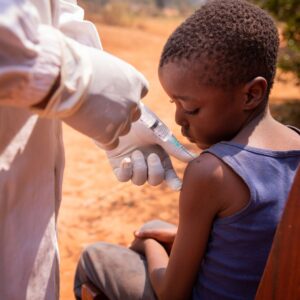
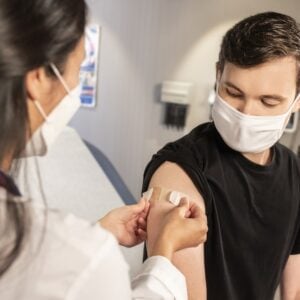
In 2025, nearly 1.7 million infants in the Western Pacific Region did not receive even their first routine vaccine dose, meaning approximately one in every eleven babies were classified as zero-dose children. Coverage for the third dose of the diphtheria, tetanus, and pertussis vaccine (DTP3), a key indicator of childhood immunization programme performance, remains below pre-pandemic levels recorded in 2019.
WHO identified several factors contributing to persistent gaps, including recent measles and poliovirus outbreaks, declining public confidence in vaccines, financial pressures, and challenges in reaching children living in remote or underserved communities.
Despite these challenges, the region has achieved significant public health milestones. The Western Pacific has maintained its polio-free status for more than 25 years, while 29 countries and areas have achieved measles and rubella elimination. In addition, 35 countries and areas have introduced HPV vaccination programmes to help prevent cervical cancer and improve women’s health outcomes.
WHO emphasized that reducing the number of zero-dose and under-immunized children, sustaining measles and rubella elimination, and expanding vaccination throughout people’s lives will remain key priorities through 2030.
The challenges differ across countries. Some nations face difficulties reaching children in crowded urban communities, while others struggle to provide consistent vaccination services in remote islands, mountainous regions, and areas affected by emergencies. Indonesia and the Philippines continue to have some of the highest numbers of zero-dose children globally, while Papua New Guinea faces significant routine immunization challenges.
Health officials stressed that sustained investment, stronger primary healthcare systems, improved surveillance, and community engagement are essential to closing vaccination gaps. Building trust through local health workers and addressing misinformation will also be critical to ensuring families have access to reliable immunization services.
WHO noted that vaccines remain among the most effective public health investments, with every US$1 spent on immunization generating up to US$54 in health, social, and economic benefits by preventing disease, reducing healthcare costs, and strengthening healthier communities.
The new immunization estimates will support discussions at the 77th session of the WHO Regional Committee for the Western Pacific in 2026, where countries will shape the region’s vaccination priorities toward 2030.
WHO officials emphasized that the Western Pacific has demonstrated what collaboration can achieve and called for renewed commitment to resilient immunization systems that protect communities today while preparing for future health challenges.