Humanitarian organization Action Against Hunger has stepped up its response to an escalating Ebola outbreak in the Democratic Republic of Congo (DRC), where health authorities have reported rising infections and deaths across parts of Ituri province and North Kivu. The outbreak, officially declared on May 15, 2026, has already resulted in more than 120 confirmed cases, hundreds of suspected infections, and over 220 deaths.
The crisis is unfolding in a region already facing severe humanitarian pressures, including widespread food insecurity, displacement, and limited access to basic services. Aid workers warn that the outbreak is placing additional strain on fragile health systems that were already under-resourced and overstretched.
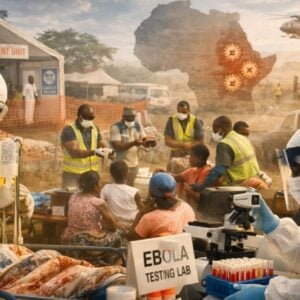
Action Against Hunger is currently supporting multiple health zones in the affected regions, including Mongbwalu, one of the hardest-hit areas. The organization is working closely with local health authorities to strengthen infection prevention and control measures in medical facilities and protect frontline healthcare workers who are at high risk of exposure.
Support being provided includes essential protective equipment for medical staff, sanitation supplies, and improvements to water and hygiene infrastructure in health facilities. These interventions are considered critical in preventing further transmission, particularly in areas where access to clean water and basic sanitation remains extremely limited.
The outbreak is occurring in a region where humanitarian needs are already severe, with millions of people affected by food insecurity and large-scale displacement due to ongoing conflict. Restrictions on movement and insecurity are further complicating aid delivery and limiting access to vulnerable populations.
Humanitarian teams are also facing logistical challenges, including suspended flights to affected areas and limited funding for emergency operations. Despite these constraints, organizations on the ground emphasize the need to maintain ongoing humanitarian programs alongside outbreak response efforts to prevent further deterioration of living conditions.
Aid agencies warn that controlling the outbreak will require rapid, coordinated action to strengthen health systems, improve access to clean water and sanitation, and ensure continued support for vulnerable communities already affected by overlapping crises.
The situation remains highly volatile as humanitarian workers race to contain the spread of the virus while maintaining essential services in one of the most fragile regions of the country.