You are here: Home/cat/ Ebola Outbreak in DRC Escalates Rapidly as Global Health Systems Face Strain
Ebola Outbreak in DRC Escalates Rapidly as Global Health Systems Face Strain
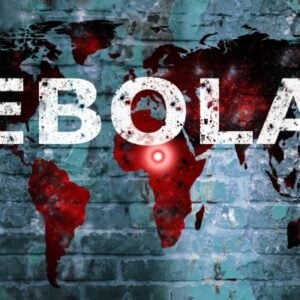
A fast-moving Ebola outbreak in the Democratic Republic of Congo (DRC) is continuing to spread across the country’s northeast, raising concerns among global health agencies about containment challenges and weakened international response capacity.
According to the World Health Organization (WHO), the outbreak has now resulted in more than 800 suspected and confirmed cases, including over 180 deaths. Health officials have classified the risk level in the DRC as “very high,” warning that the situation could escalate further due to regional vulnerabilities and limited containment capacity.
The outbreak is concentrated in Ituri province, a remote and conflict-affected region with limited infrastructure and high population movement. More than four million people live in the area, where ongoing insecurity and displacement have made it difficult for health workers to trace and isolate infections effectively.
Health agencies say the outbreak involves a rare variant of Ebola for which no vaccine is currently available. Early cases were initially misidentified as standard Ebola strains, allowing the virus to spread undetected for a period before laboratory confirmation was completed in the capital, Kinshasa.
Humanitarian organizations have begun scaling up response efforts, deploying medical teams, isolation units, and emergency supplies. However, they report significant shortages of protective equipment, sanitation materials, and logistical support, with supply chain disruptions further complicating operations.
Aid workers also warn that misinformation and fear within affected communities are hampering response efforts. Incidents of distrust, including attacks on health facilities and resistance to safe burial practices, have been reported, reflecting longstanding challenges in public health communication during outbreaks.
Experts have linked the strained response to broader global health funding reductions, noting that weakened international support systems have reduced preparedness compared to earlier Ebola outbreaks. Limited infrastructure and reduced training capacity are also affecting frontline readiness.
Regional authorities and international agencies, including the Africa Centres for Disease Control and Prevention and WHO, are coordinating containment measures such as border monitoring, community outreach, and rapid response deployment. However, health officials caution that porous borders and ongoing conflict continue to increase the risk of wider regional transmission.
The outbreak highlights persistent vulnerabilities in global epidemic preparedness and underscores the urgent need for strengthened health systems, improved surveillance, and sustained international cooperation to prevent further spread.