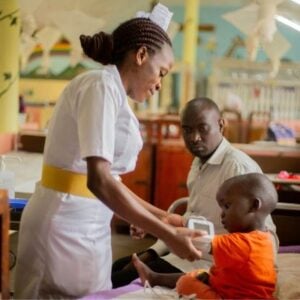
Morocco has become the first country in the Arab region and the second in Africa to adopt a national strategy dedicated to the care economy and care work.
Launched on 16 July 2026, the strategy aims to advance gender equality, create decent employment, expand social protection and support inclusive economic growth.
The initiative was developed under the leadership of Morocco’s Ministry of Solidarity, Social Integration and Family, with technical assistance from the International Labour Organization and UN Women.
The strategy responds to major demographic and social changes, including population ageing, changing family structures and growing demand for professional care services.
It covers care needs across the entire life cycle, including early childhood services, maternity and paternity protection, parental leave, support for older people, persons with disabilities and individuals facing dependency or vulnerability.
The strategy seeks to shift care work from being a responsibility carried mainly by families and women towards a shared social and economic responsibility.
It will also support the professionalisation of care occupations, improve the quality of services, develop community-based care systems and create employment opportunities for women and young people.
Moroccan Minister of Solidarity, Social Integration and Family Naïma Ben Yahia said the strategy would help transform the care economy into a driver of sustainable and inclusive development.
The ILO welcomed Morocco’s leadership and said investment in care can strengthen labour markets, promote gender equality and build more resilient economies.
UN Women stressed that care should be recognised as a public good, an essential service and a source of decent employment rather than treated only as a private family responsibility.
Research supporting the strategy indicates that increased investment in the care economy could create a substantial number of jobs by 2035. It could also increase women’s participation in the workforce and improve access to quality care services.
Morocco will now focus on building an integrated and sustainable national care system. The ILO and UN Women will continue supporting implementation, including efforts to recognise, reduce and redistribute unpaid care work and expand decent paid employment in the sector.
The initiative could provide a model for other countries in Africa and the Arab region seeking to respond to demographic change while promoting women’s economic empowerment, social protection and inclusive growth.