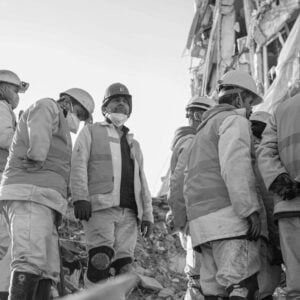
Weeks of intense monsoon rainfall, flooding and landslides have affected more than one million people across 10 districts in Bangladesh, prompting the International Organization for Migration to expand its emergency response.
As of 12 July 2026, government figures confirmed 51 deaths, while more than 38,400 people were sheltering in over 1,000 evacuation centres. Those affected include more than 52,000 Rohingya refugees and over 13,000 persons with disabilities.
Chattogram and Cox’s Bazar are among the hardest-hit areas. Cox’s Bazar is home to the world’s largest and most densely populated refugee settlement, where saturated hillsides have increased the risk of flash floods and landslides.
More than 5,000 shelters in the refugee camps have been damaged, along with community facilities and essential infrastructure. Outside the camps, floods and landslides have damaged homes, roads, bridges, schools and other public facilities, disrupting livelihoods and access to vital services.
IOM Regional Director for Asia and the Pacific Iori Kato said families had lost homes, livelihoods and loved ones. He stressed that the emergency demonstrated the growing human cost of climate-related disasters and the need to strengthen community resilience before future crises occur.
IOM is coordinating with the Government of Bangladesh, the Refugee Relief and Repatriation Commissioner, district authorities and humanitarian organisations to provide immediate assistance.
Emergency teams have been deployed across affected areas to support families whose shelters were damaged. Relocation assistance is also helping people move away from unstable hillsides and other high-risk locations.
Mobile medical teams and health facilities remain operational despite difficult conditions. Protection teams are providing psychological first aid and targeted support to children, persons with disabilities and other vulnerable groups.
As co-chair of the Displacement Management Cluster, IOM is working with partners to assess humanitarian needs and prioritise emergency interventions.
Bangladesh remains highly vulnerable to climate-related disasters. In 2025, IOM estimated that around 4.96 million people were internally displaced by disasters, with many unable to return home for extended periods.
With El Niño conditions intensifying in 2026, IOM is calling for stronger disaster risk reduction, resilient infrastructure and anticipatory action. The organisation said sustained international support will be essential to prevent displacement, protect affected communities and reduce future humanitarian needs.