Farmers in Iraq are reporting a significant increase in income after a new market linkage initiative enabled them to sell produce directly to major retailers. According to recent reports, farm profits have risen by up to 48 percent as smallholders gain access to structured supply chains and improved pricing through direct supermarket partnerships.
The breakthrough came after a consignment of potatoes supplied through a new aggregation system quickly sold out in a Carrefour store in Dohuk, prompting immediate repeat orders. The strong demand highlights both improved product quality and growing consumer acceptance of locally sourced produce delivered through formal retail channels.
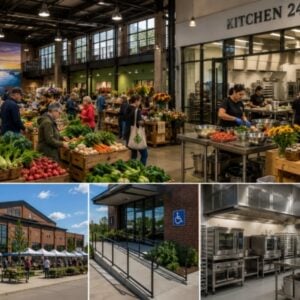
At the center of this transformation is the Faida Aggregation Hub, a facility designed to connect refugee, displaced, and host community farmers with commercial buyers. The hub allows small-scale producers to pool their harvests, meet quality standards, and access markets that were previously out of reach. This shift has helped farmers move away from low-paying wholesale markets toward more stable and profitable retail supply chains.
Beyond improving market access, the initiative has also reduced post-harvest losses and improved product consistency. Farmers receive training in sorting, grading, packaging, and business practices, along with access to real-time pricing information that supports better decision-making. These improvements have enabled them to meet the strict quality requirements of supermarket buyers.
The project is part of a broader effort led by international partners, including United Nations agencies and development organizations, to strengthen inclusive trade systems in Iraq. By integrating vulnerable producers into formal value chains, the initiative aims to improve livelihoods while building long-term economic resilience in conflict-affected regions.
Implemented with support from humanitarian and development actors, the model combines infrastructure development with capacity building and private sector collaboration. It is designed not only to increase farmer incomes but also to create sustainable supply relationships between rural producers and large retail markets.
The success of the programme reflects a growing shift toward market-based solutions for rural development, where improved logistics, training, and direct buyer connections play a key role in raising incomes and reducing poverty among smallholder farming communities.