
Over the weekend, UN peacekeepers in Lebanon reported heavy Israeli military activity, including airstrikes near villages, naval operations off Naqoura, and drone flights, some reportedly operated by Hezbollah. UNIFIL patrols faced restrictions when Israeli tanks blocked roads near Al Bayyada, and one UN vehicle was struck by machine gun fire. The UN stressed that peacekeepers… [Read More]
HPV Campaign & Immunization Guide Rolled Out in Caribbean
The Pan American Health Organization (PAHO) has launched two major resources to strengthen vaccination efforts in the Caribbean: the 2026 edition of the Immunization Manual, Caribbean Template, and the “In My Hands” multimedia HPV vaccine campaign. The launch took place in Guyana during Vaccination Week in the Americas, with PAHO leaders emphasizing the importance of… [Read More]
Barbados Health Ministry Opens VWA 2026 with Church Service

Barbados officially launched its Vaccination Week in the Americas 2026 with a church service at St. Luke’s Anglican Church in Bridgetown on Sunday, April 26. The service was attended by Permanent Secretary of the Ministry of Health and Wellness, Mr. Wayne Webster, staff from the island’s polyclinics, PAHO/WHO Representative Dr. Amalia Del Riego, and members… [Read More]
Dominica Boosts Immunization Workforce During Vaccination Week

The Ministry of Health, Wellness and Social Services in Dominica, with support from the Pan American Health Organization, conducted a two-day capacity-building training for healthcare workers to strengthen immunization services and control vaccine-preventable diseases. The initiative, held during Vaccination Week in the Americas 2026, brought together more than 125 participants, including physicians, nurses, and public… [Read More]
Barbados Health Fair Highlights Vaccine Benefits for Public Awareness

A health fair held at the Edgar Cochrane Polyclinic in Bridgetown, Barbados, highlighted the importance of vaccination as part of activities marking Vaccination Week in the Americas 2026. The event, supported by the Pan American Health Organization and World Health Organization, aimed to raise public awareness about vaccine safety and encourage greater immunization uptake. Speaking… [Read More]
Ontario Invests $35M to Expand Art Gallery of Ontario with New Galleries

Ontario is investing $35 million to support the expansion of the Art Gallery of Ontario, reinforcing its commitment to preserving cultural heritage and strengthening the province’s tourism sector. The funding will contribute to the development of the Dani Reiss Modern and Contemporary Gallery, a major project aimed at enhancing the gallery’s capacity to showcase both… [Read More]
Vaccination Week Boosts Health Partnerships in Saint Vincent and the Grenadines

The Pan American Health Organization (PAHO), in collaboration with national ministries and international partners, organized a two-day capacity-building workshop in Kingstown, Saint Vincent and the Grenadines, as part of Vaccination Week in the Americas 2026. The initiative aimed to strengthen the knowledge and skills of early childhood educators and preschool teachers in areas related to… [Read More]
Indigenous Aviation Training Gets Boost with Ontario’s $4.4M Investment

Ontario is investing $4.4 million to support Indigenous students in accessing in-demand aviation careers through the First Nations Technical Institute. The funding will help rebuild the institute’s Aviation Training Centre, which was destroyed by fire four years ago, and expand training capacity to meet growing workforce demands in the aviation sector. The new facility, currently… [Read More]
International Day of the Midwife 2026: Investing in Stronger Health Systems

The Pan American Health Organization marked the International Day of the Midwife by urging countries across the Americas to invest more in midwifery as a foundation for stronger and more resilient health systems. Midwives are highlighted as essential providers of care, capable of delivering up to 90% of key health services related to sexual, reproductive,… [Read More]
Sanofi Expands AI Centre of Excellence in Toronto with $294 Million Investment
Ontario is set to strengthen its position as a global leader in life sciences and artificial intelligence with a $294 million investment from Sanofi. The funding will expand the company’s Artificial Intelligence Centre of Excellence in Toronto, building on an existing workforce of more than 150 employees and creating 50 new high-quality jobs in the… [Read More]
PAHO Launches Virtual Course to Strengthen Health Data Systems

The Pan American Health Organization (PAHO) has launched a new virtual training course under its Digital Literacy Program in Health to strengthen Civil Registration and Vital Statistics (CRVS) systems across the Americas. Delivered through its Virtual Campus for Public Health, the course offers a flexible, self-paced learning experience designed to improve how countries collect, manage,… [Read More]
Rethinking Global Finance Systems for Climate-Vulnerable Island Economies

Small Island Developing States (SIDS), supported by organizations like United Nations Development Programme, face critical development finance challenges due to their unique vulnerabilities. Despite contributing less than one percent of global greenhouse gas emissions, these nations are disproportionately affected by climate change, including rising sea levels and extreme weather events. Their structural limitations—such as small… [Read More]
Motor Insurance Transparency Code to Benefit 2 Million Policyholders

The Irish government has confirmed that more than 2 million motor insurance policyholders will benefit from the introduction of the Motor Insurance Transparency Code, a key measure under its Action Plan for Insurance Reform 2025–2029. The code aims to improve clarity and consumer understanding around how insurance premiums are calculated and communicated. Developed through collaboration… [Read More]
Inclusive Employment in Spain: Key Findings from J-PAL Europe’s Research

J-PAL Europe is collaborating with the Government of Spain to strengthen social inclusion and improve labour market access through evidence-based policy design. This partnership operates through Spain’s Inclusion Policy Lab, an initiative led by the Ministry of Inclusion, Social Security, and Migration, which evaluates programs aimed at enhancing the country’s minimum income scheme and supporting… [Read More]
Ireland Funds 369 Men’s Sheds to Boost Community Wellbeing

Dara Calleary and Jerry Buttimer have announced that 369 Men’s Sheds across Ireland have received funding through the Irish Men’s Sheds Association. The initiative provides grants of up to €3,000 to support operational costs such as heating, electricity, and insurance, with all funds now fully distributed following assessment by IMSA. The funding aims to sustain… [Read More]
£33,500 Settlement Reached in Dorset Slurry Pollution Cases

Three farm businesses in Dorset have collectively paid £33,500 to environmental charities following an investigation by the Environment Agency into improper slurry storage practices. The companies—Drummers Farming Limited, Crutchley Farms Partnership and Crockway Farms Ltd—were found to have breached environmental regulations designed to protect waterways and ecosystems. Instead of prosecution, they agreed to enforcement undertakings,… [Read More]
Women-Led Businesses in Timor-Leste Invited for 3rd Entrepreneur Award

Nominations have opened for the third edition of the Timor-Leste Women Entrepreneur Awards in Dili, recognizing women entrepreneurs who are driving job creation, innovation, and economic development across the country. The initiative is organized by International Finance Corporation and the Timor-Leste Women’s Business Association, with national patronage and support from key development partners. The awards… [Read More]
Overcoming Communication Barriers: A Sign Language Breakthrough in Rwanda

World Jewish Relief highlights the critical role of language in shaping inclusion and opportunity, drawing inspiration from philosopher Ludwig Wittgenstein. In Rwanda, many deaf individuals face deep isolation due to the lack of access to formal sign language education and inclusive systems. Limited school resources and inadequate infrastructure often prevent them from learning standardized communication… [Read More]
UNDP Highlights Key Barriers to Public Sector Digital Transformation Success

The United Nations Development Programme reports that global public sector investment in digital technology has surpassed $800 billion, yet most transformation efforts continue to underdeliver. Despite significant spending, many governments struggle to achieve meaningful improvements, highlighting a disconnect between financial investment and actual outcomes in public service delivery. According to the report, this underperformance is… [Read More]
Refugee Support in the U.S.: How You Can Contribute to Real Change
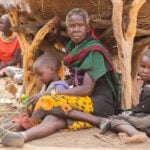
International Rescue Committee highlights the urgent need to support refugees and asylum seekers in the United States, especially as global displacement continues to rise. With over 120 million people displaced worldwide, many individuals are forced to flee conflict, persecution and disasters, seeking safety and stability. The organization emphasizes that recent restrictive policies have increased the… [Read More]
Ontario Invests $6.5M to Strengthen Ontario Corps Emergency Response

The Government of Ontario has announced an investment of more than $6.5 million in emergency preparedness grants to strengthen the capabilities of Ontario Corps partners across the province. The funding will support 13 partner organizations by providing essential equipment, supplies, and training to ensure rapid deployment during emergencies and natural disasters, reinforcing the province’s broader… [Read More]
New $1M Entwistle Technology Bursary to Empower Underserved Youth in Canada

TELUS Friendly Future Foundation has received a landmark $1 million personal donation from Darren Entwistle and Fiona Entwistle to expand opportunities for underserved youth across Canada. This significant contribution will strengthen the TELUS Student Bursary program and support students pursuing post-secondary and technical education in science, mathematics, and technology fields. The donation will establish the… [Read More]
R1.135 Million Investment Supports Township and Rural Businesses in KwaZulu-Natal

Hollywood Foundation has increased its investment in the 2026 Bambelela Business Awards to R1.135 million, providing significant financial and developmental support to micro, small and medium enterprises in KwaZulu-Natal. Now in its third year, the initiative focuses on uplifting township and rural businesses, where access to funding and structured support is often limited. The programme… [Read More]


