Governor Wes Moore has announced $43 million in new funding for community solar projects across Maryland, aimed at expanding access to affordable clean energy and reducing electricity costs for low-income households.
The funding covers 69 new grants under the state’s Community Solar program, which enables residents who cannot install rooftop solar panels—such as renters or apartment dwellers—to benefit from shared solar energy systems. The initiative is part of Maryland’s broader strategy to increase in-state renewable energy generation while improving affordability for vulnerable communities.
According to state officials, the projects are expected to provide discounted electricity to more than 4,800 low-income households, with savings of at least 25 percent in many cases. Additional households will receive support through coordination with the Maryland Department of Human Services.
The program requires developers to allocate a portion of solar output to low-income residents while maintaining guaranteed savings, ensuring that clean energy adoption directly supports energy equity goals. Some projects also prioritize the redevelopment of brownfield sites, converting previously underutilized land into productive solar energy facilities.
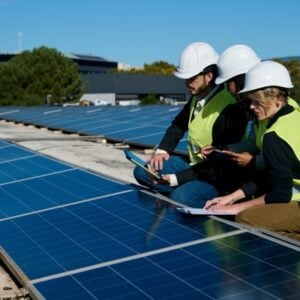
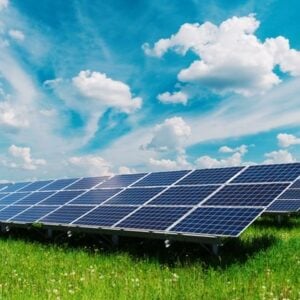
Key developers involved in the initiative include Solar Landscape, which will construct multiple rooftop solar installations across utility service areas, and Lightstar, which is developing agrivoltaic projects that combine solar energy production with agricultural use. Other projects will repurpose landfill sites for renewable energy generation.
State energy officials emphasized that the program reflects Maryland’s commitment to expanding clean energy infrastructure while reducing financial pressure on households most affected by rising utility costs. The initiative also supports long-term environmental goals by increasing renewable energy capacity across the state.
The Community Solar Grants mark another step in Maryland’s transition toward a more inclusive clean energy system that integrates economic relief with sustainability planning.