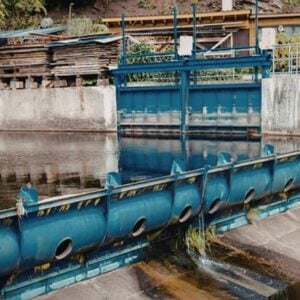
U.S. Representative Mike Simpson has highlighted the inclusion of $15 million in federal funding for the Milner Dam Rehabilitation Project in south-central Idaho. The funding was secured through the Community Project Funding (CPF) program and incorporated into the Fiscal Year 2027 Transportation, Housing and Urban Development, and Related Agencies Appropriations Bill. The project aims to restore and modernize one of Idaho’s most important water control structures, which plays a critical role in water management across the region.
According to Congressman Simpson, the rehabilitation of Milner Dam is essential for supporting southeastern Idaho communities that rely heavily on the structure for water supply, agriculture, and economic stability. The investment is expected to benefit approximately 500,000 acres of irrigated farmland, support local jobs, and help ensure reliable access to safe drinking water for future generations.
The project has received strong backing from state and local stakeholders. Jeff Raybould, Chairman of the Idaho Water Resource Board, emphasized that Milner Dam is a vital component of Snake River management and noted that federal funding will be supplemented by state and local contributions. The dam, which is more than 120 years old, requires significant rehabilitation to maintain its operational reliability and long-term effectiveness.
The funding will be used to repair and upgrade the dam’s infrastructure, helping to preserve flood protection for surrounding communities and sustain agricultural productivity across southern Idaho. The project will also maintain the dam’s role in supporting the Idaho Water Resource Board’s aquifer managed recharge program, which contributes between 50% and 70% of recharge activities for the Eastern Snake Plain Aquifer. This aquifer serves as the primary source of potable water for the region.
Congressman Simpson also defended the Community Project Funding program, arguing that it allows Idaho taxpayers to see federal dollars invested directly in local priorities. He stated that the program supports projects with demonstrated community needs and broad public support while operating within existing federal budget limits.