
Case Western Reserve University has secured a landmark $125 million commitment from the Mandel Foundation, marking the largest donation in the foundation’s 73-year history and the biggest single gift ever made to higher education in Ohio. This significant contribution reflects a long-standing partnership between the two institutions and highlights a strong commitment to advancing academic… [Read More]
Bangladesh Struggles Between Food Security and Declining Groundwater Levels

Bangladesh’s northwestern Barind Tract is facing a deepening groundwater crisis, prompting the government in December 2025 to declare 25 subdistricts as water-stressed zones. Authorities advised farmers to reduce cultivation of the highly water-intensive boro rice and instructed the Barind Multipurpose Development Authority (BMDA) to halt irrigation in affected areas. The decision reflects growing concern over… [Read More]
Governor Spanberger Announces $2.48M Investment to Expand Capital Access in Virginia

Governor Abigail Spanberger announced $2.48 million in strategic investments through Virginia’s Capital for Communities Fund (CCCF) to expand access to capital for underserved communities across the state. The funding will support six initiatives aimed at strengthening community lending, small business growth, housing development, and local economic revitalization. The program focuses on empowering Community Development Financial… [Read More]
World Bank and CGIAR Strengthen Partnership on Food, Land and Water Security

The World Bank Group Executive Directors and CGIAR leadership held a 90-minute high-level roundtable on April 13, 2026, to discuss the future of food, land, and water systems. Moderated by Nathalie Francken, the meeting brought together representatives from multiple countries, including Mexico, Japan, the United Kingdom, the Netherlands, and Saudi Arabia, alongside senior leaders from… [Read More]
World Bank Approves $225M to Boost Health and Nutrition in Côte d’Ivoire

The World Bank has approved $225 million in financing to strengthen health, nutrition, and early childhood development services in Côte d’Ivoire, with a strong focus on women, children, and vulnerable households. The package includes a $200 million credit from the International Development Association and $25 million in grants from the Global Financing Facility for Women,… [Read More]
Adelphi Trust Makes $6.20 Million New Investment in NVIDIA Corporation
Adelphi Trust Co disclosed a new investment position in NVIDIA Corporation during the fourth quarter, according to its latest filing with the U.S. Securities and Exchange Commission. The fund acquired 33,255 shares of the chipmaker, valued at approximately $6.2 million, making NVIDIA about 5.1% of its portfolio and its third-largest holding. The filing also highlighted… [Read More]
Ed Foundation Launches Student Investment Program to Boost Financial Literacy

The Santa Monica Education Foundation raised over $400,000 for local public schools during its eleventh annual wine auction, while also introducing a new student-focused investment initiative. The event, held at the Fairmont Miramar Hotel & Bungalows, brought together around 400 community leaders, donors, and supporters, reflecting strong local engagement in education funding. A key highlight… [Read More]
Egypt Boosts Clean Energy Goals with Major Wind Power Expansion Plan

Egypt has advanced its renewable energy agenda by launching a large-scale wind power programme supported by a new cooperation agreement covering major energy investments. The deal includes plans to develop 4,750 megawatts of wind capacity alongside 4,000 megawatt-hours of battery storage, marking a significant expansion of the country’s clean energy infrastructure. The agreement involves the… [Read More]
Tony Elumelu Foundation Review Signals Shift to Platform-Based SME Support in Africa

The Tony Elumelu Foundation (TEF) has released findings from its latest impact review, highlighting a shift toward a digitally driven, platform-based model for supporting entrepreneurship across Africa. Delivered through its TEFConnect platform, the approach reflects a transition from traditional seed funding to a more integrated system that combines financing, training, mentorship, and digital connectivity to… [Read More]
ADB Launches First Disaster Relief Bonds for Kyrgyzstan and Tajikistan Risks

The Asian Development Bank (ADB) has issued its first Disaster Relief Bonds (DRBs), also known as catastrophe bonds, under its Risk-Layered Disaster Relief Finance Program. These bonds are designed to help the Kyrgyz Republic and Tajikistan respond quickly to natural disasters such as earthquakes and floods by providing rapid financial support when predefined conditions are… [Read More]
ADB Launches Initiative to Strengthen Asia’s Critical Minerals Supply Chains

Asian Development Bank announced a new financing facility in Samarkand aimed at helping countries across Asia and the Pacific develop critical minerals supply chains essential for clean energy, electric vehicles, batteries, and digital technologies. The initiative highlights the growing importance of critical minerals in shaping the next industrial era and seeks to ensure that countries… [Read More]
Asia-Pacific Disaster Resilience Boosted by ADB–Japan Partnership

Asian Development Bank announced a new financing partnership facility in Samarkand, developed with the Government of Japan as its initial partner, to help developing member countries strengthen disaster resilience and regional cooperation. The initiative, called the Pre-Arranged Resources for Enhancing Preparedness and Resilience (PREPARE), marks ADB’s first facility dedicated specifically to disaster risk finance and… [Read More]
Asia-Pacific Must Strengthen Collective Resilience, Says ADB Chief

Asian Development Bank President Masato Kanda opened the bank’s 59th Annual Meeting in Samarkand by calling for stronger regional cooperation across Asia and the Pacific. He stressed that in an increasingly fragmented world, countries must work together through deeper cross-border connections to build resilience and ensure inclusive, long-term growth. The annual meeting, held from 3… [Read More]
ADB Unveils $70 Billion Plan to Boost Asia’s Power and Digital Connectivity
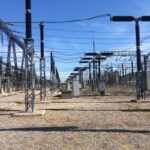
The Asian Development Bank has announced a major $70 billion investment plan to expand energy and digital infrastructure across Asia and the Pacific by 2035. The initiative focuses on connecting regional power grids, boosting cross-border electricity trade, and improving broadband access, with the broader goal of enhancing economic growth, lowering costs, and expanding access to… [Read More]
Key Challenges Holding Back Public Sector Digital Transformation

Governments worldwide are investing heavily in digital technologies, yet a large proportion of public sector digital transformation projects fail to achieve their intended outcomes. This gap arises not from technological shortcomings but from an overemphasis on tools rather than meaningful institutional change. Many initiatives prioritize quick technological fixes without addressing outdated governance systems, limiting their… [Read More]
Who Pays the Price? Gender Inequality and Rising Sovereign Debt

“Who Pays the Price?” is a comprehensive study examining the link between sovereign debt and gender inequality, produced under UNDP’s EQUANOMICS initiative. The research draws on data from 85 developing countries over the period from 1990 to 2022, offering a long-term analysis of how rising debt burdens shape social and economic outcomes, particularly for women…. [Read More]
Saudi Fund for Development Expands Sustainable Water Access Vision

Access to safe and reliable water remains a critical challenge in Somalia, particularly in drought-prone regions where it directly affects livelihoods, food security, and resilience. In response, a partnership between the United Nations Development Programme (UNDP) and the Saudi Fund for Development (SFD) has been advancing practical and scalable solutions. Through investments in solar-powered water… [Read More]
Building Resilience in Solomon Islands Through SIIVA Data System

Decision-making without reliable data can lead to ineffective outcomes, much like a doctor diagnosing without tests or a builder working without measurements. In development contexts, the absence of consistent and comparable data makes it difficult for communities and leaders to plan targeted, cost-effective, and risk-informed responses to challenges. In the Solomon Islands, where about 65… [Read More]
10 Municipalities Selected for Empowering Municipal Councils Phase 2 Programme

Ten local self-government units representing all eight planning regions have been selected to join the fourth cycle of the second phase of the “Empowering Municipal Councils” programme. The municipalities—Novaci, Radovish, Shuto Orizari, Makedonska Kamenica, Kichevo, Demir Kapija, Vrapchishte, Rosoman, Kratovo, and the City of Skopje—were chosen through a restricted call, which attracted applications from 17… [Read More]
Global Call to Unlock Funding for Conflict-Affected Countries by UNCDF, UNDP, QFFD

New financing solutions are urgently needed to support post-conflict recovery and reconstruction at a scale that matches today’s global challenges. This was the central message of a high-level event co-hosted by the Qatar Fund for Development, the United Nations Capital Development Fund, and the United Nations Development Programme on the sidelines of the ECOSOC Forum… [Read More]
Debt Pressures Deepen Inequality, Threatening 55 Million Jobs for Women

A new analysis by the United Nations Development Programme warns that rising sovereign debt servicing is reversing development gains and disproportionately impacting women across developing countries. Drawing on data from 85 nations, the report Who Pays the Price? Gender Inequality and Sovereign Debt finds that increasing debt burdens could lead to the loss of 55… [Read More]
NGOs Given Deadline to Comply with New Government Regulations

The Ministry of Interior and National Administration has directed all non-governmental organisations (NGOs) that have not yet transitioned to the new Public Benefit Organisations (PBO) regulatory framework to urgently comply with the required guidelines. In a public notice issued on May 4, 2026, the ministry urged affected organisations to review the prescribed requirements and submit… [Read More]
New Course Empowers Young Climate Leaders to Drive Change

The United Nations Development Programme, in collaboration with Eco House Global, has launched the Youth for Climate Action course, an online educational programme available in English and Spanish on the Learning for Nature platform. The free, self-paced course is designed to provide young people with foundational knowledge on climate change while empowering them to take… [Read More]


