
Debates on agricultural tariffs often overlook the everyday realities of women in developing economies, despite their central role as farmers, workers, and household managers. New evidence from the Household Impacts of Trade for Women dataset shows that tariff policies disproportionately affect women, who tend to bear higher costs when trade barriers are in place and… [Read More]
Somalia Risks New Disaster as Drought Worsens Without Aid
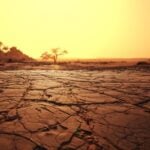
Save the Children has warned that Somalia is facing a worsening humanitarian crisis driven by drought, rising hunger, and a sharp decline in international aid. A new report highlights that the collapse of funding in 2025 could lead to outcomes similar to the devastating 2011 famine, which claimed over 250,000 lives, with children at the… [Read More]
World Health Organization, Aga Khan University Unveil Women’s Cancer Initiative in Africa

World Health Organization and Aga Khan University have signed a Memorandum of Understanding to launch the first collaborative initiative in Africa focused specifically on women’s cancers, particularly breast and cervical cancer. The partnership aims to strengthen cancer prevention and care by addressing gaps between global health standards and on-the-ground realities in low- and middle-income countries…. [Read More]
Accelerating Asia’s Green Transition for Sustainable Growth

Singapore is positioning itself at the center of Asia’s green transition as a new partnership aims to address a critical shortage of sustainability talent. Singapore Management University and United Nations Development Programme have signed a Statement of Intent to build a strong pipeline of skilled professionals capable of turning climate policies into real-world action across… [Read More]
Ghana Rejects US Health Deal as South Africa, Zambia Struggle

Ghana has rejected the United States’ proposed terms for bilateral health assistance, particularly conditions requiring the sharing of sensitive health data without guarantees of access to resulting medical innovations. This decision aligns with similar concerns raised by Zimbabwe, reflecting growing resistance among some African nations to what they view as unequal or transactional aid arrangements…. [Read More]
$1.05M Grant Boosts HBCUs from Harvard University
Harvard University has announced a three-year grant of $1.05 million to support the newly formed Association of Historically Black Colleges and Universities Research Institutions, a coalition of 15 HBCUs focused on strengthening research capacity, innovation, and collaboration. The funding is provided through the Harvard & the Legacy of Slavery Initiative and aims to enhance research… [Read More]
International Rescue Committee Delivers 30M Vaccine Doses to Zero-Dose Children
In New York City, the International Rescue Committee announced during World Immunization Week 2026 that it has delivered more than 30 million vaccine doses in fragile and conflict-affected settings. Working with partners under the REACH programme, funded by Gavi, the Vaccine Alliance, the initiative has reached over one million “zero-dose” children who had never received… [Read More]
HPV Vaccination Launched in Burundi to Prevent Cervical Cancer
In Bujumbura, the Government of Burundi has officially launched the human papillomavirus (HPV) vaccine with support from global partners including Gavi, the Vaccine Alliance, UNICEF, and the World Health Organization. This marks a major step forward in preventing cervical cancer, one of the leading causes of death among women in the country. Cervical cancer remains… [Read More]
Climate-Smart Agriculture Gains Momentum with FAO
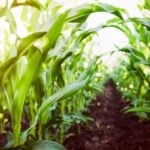
In Madaba, the Food and Agriculture Organization of the United Nations has launched the second phase of consultative sessions to promote climate-smart agriculture across key regions of Jordan. These sessions are part of a broader initiative focused on improving water use efficiency and strengthening agricultural resilience in areas of the Dead Sea Basin that are… [Read More]
Hurricane Recovery Aid Reaches Jamaica Farmers
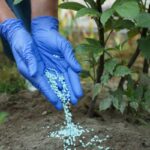
The Food and Agriculture Organization of the United Nations, in collaboration with the Government of Jamaica, provided fertilizer support to farmers during a ceremony held in Trelawny as part of recovery efforts following the impacts of Hurricanes Beryl and Melissa. The initiative aims to help restore agricultural production and support farmers in rebuilding their livelihoods… [Read More]
FAO and World Organisation for Animal Health Monitor Avian Influenza Spread
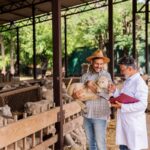
Between January and March 2026, countries across Latin America and the Caribbean reported multiple outbreaks of highly pathogenic avian influenza (HPAI), affecting domestic poultry, wild birds, and commercial flocks. The spread of this transboundary disease has raised serious concerns for animal health, food security, and regional trade, prompting urgent coordinated action. In response, the World… [Read More]
FAO Office Strengthening Agriculture in Europe & Central Asia

Fish farmers in Georgia have strengthened their knowledge of food safety and aquatic animal health through a five-day training organized by the Food and Agriculture Organization of the United Nations under the ENPARD IV programme, with support from the European Union and Sweden. The initiative brought together over 40 aquaculture producers and sector stakeholders to… [Read More]
Protecting 45,000 Rohingya from Landslide Risks
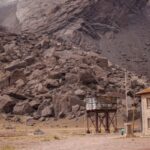
In Cox’s Bazar, the Food and Agriculture Organization of the United Nations has received funding from the Bangladesh Humanitarian Fund to implement urgent interventions aimed at protecting Rohingya refugees from life-threatening landslides ahead of the monsoon season. The initiative focuses on stabilizing vulnerable slopes and strengthening community preparedness to reduce risks for tens of thousands… [Read More]
Strengthening Preventive Livestock Services in West Africa
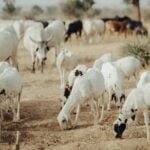
In Dakar, the Food and Agriculture Organization of the United Nations conducted a regional online training course in early 2026 aimed at strengthening preventive livestock healthcare across West Africa. Delivered through its Virtual Learning Center for West Africa, the course focused on helping veterinarians and paraprofessionals transition from reactive disease response to proactive prevention, ultimately… [Read More]
Australia Eliminates Trachoma as Public Health Threat

The World Health Organization has validated Australia for eliminating trachoma as a public health problem, marking a major milestone in both national and global health efforts. Trachoma, caused by the bacterium Chlamydia trachomatis, is the leading infectious cause of blindness worldwide, spreading through close contact, contaminated surfaces, and flies. Its elimination in Australia reflects significant… [Read More]
Vaccination and Malaria Response Improve in Angola

A mother’s urgent journey to seek care for her child with severe malaria highlights the everyday reality faced by many families in Angola. While timely treatment saved her son, malaria continues to claim thousands of lives across the country, particularly among children under five and pregnant women. With millions of cases and thousands of deaths… [Read More]
Eritrea Boosts Immunization for Hard-to-Reach Groups

Asmara and Eritrea’s mountainous central region are home to seasonally migratory and nomadic populations, making access to essential health services difficult. Women and children are particularly vulnerable, facing higher risks such as maternal mortality and gaps in immunization due to geographic isolation, mobility, and cultural factors. To address these challenges, flexible and community-driven outreach approaches… [Read More]
Digital Tools Transform Farming in Southeast Asia

Access to essential resources such as markets, financial services, weather data, and technical support remains limited for around 100 million small-scale farmers in Southeast Asia, who produce the majority of the region’s food. Despite this, widespread smartphone ownership—reaching more than three-quarters of the population—has opened new opportunities for digital technologies to reshape agriculture. These tools… [Read More]
Supply Chain Finance Boost for African Businesses by IFC and Standard Chartered

The World Bank Group’s International Finance Corporation (IFC) and Standard Chartered have announced a new $300 million risk-sharing facility to strengthen supply chains and support business growth across Africa. The initiative will operate in eight countries, including Côte d’Ivoire, Egypt, Ghana, Kenya, Nigeria, South Africa, Tanzania, and Zambia, and will focus on key sectors such… [Read More]
Nigeria Energy Access Boosted by IFC and Norfund Initiative

A new initiative led by the International Finance Corporation (IFC), a member of the World Bank Group, in partnership with Norfund aims to expand access to reliable, renewable electricity for nearly 500,000 households and businesses in underserved communities across Nigeria. The program focuses on scaling off-grid and distributed energy solutions to strengthen local economies, support… [Read More]
New FIFA Rule Grants Recognition to Afghan Women’s Team

The FIFA Council has approved amendments to its Governance Regulations that allow for the official recognition of the Afghanistan Women’s National Team in exile, marking a major development for gender equity and human rights in sport. The decision, taken on April 29, 2026, enables FIFA to register national teams for official competitions when their home… [Read More]
US Court Upholds Right to Seek Asylum

A panel of the United States Court of Appeals for the District of Columbia Circuit ruled on April 24 that the government cannot deny asylum seekers the right to apply for asylum simply because they arrive at the southern border. The court rejected the Trump administration’s policy based on an Inauguration Day proclamation describing an… [Read More]
Transgender Rights in Nepal Face Stagnation
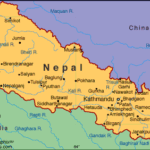
Nepali authorities have halted the processing of applications for transgender people seeking to change their legal gender on identity documents, marking a significant setback in the country’s previously progressive approach to gender identity recognition. Human Rights Watch reports that this suspension undermines years of legal and policy advances rooted in Nepal’s Supreme Court ruling of… [Read More]


