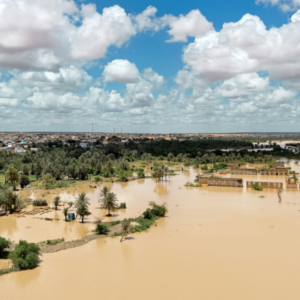
A new call has been made for reforms to emergency recovery funding systems to ensure more equitable and effective support for communities affected by disasters. The proposal highlights concerns that current funding models may not distribute resources fairly or efficiently, particularly in regions that experience repeated or large-scale natural disasters.
Advocates argue that existing emergency recovery frameworks often favor faster or more visible recovery efforts, while leaving long-term rebuilding needs underfunded. This can result in unequal recovery outcomes, where some communities are able to rebuild quickly while others continue to struggle with infrastructure damage, housing shortages, and economic disruption.
The proposed changes aim to create a more transparent and needs-based funding system that prioritizes vulnerability, disaster impact severity, and long-term resilience planning. This includes improving coordination between government agencies, local authorities, and community organizations involved in disaster response and recovery.
Another key focus of the call is to strengthen accountability and ensure that emergency funds are allocated in a way that reflects real community needs rather than administrative or political considerations. This would also involve better data collection and monitoring of recovery outcomes over time.
Overall, the push for reform reflects growing recognition that climate-related disasters are increasing in frequency and intensity, requiring more robust, fair, and forward-looking funding systems to support sustainable recovery efforts.