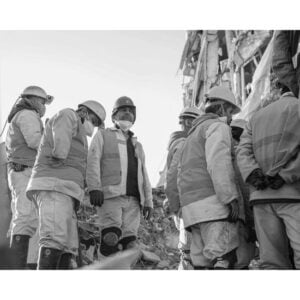
The UN refugee agency, UNHCR, has strongly condemned the deadly Russian missile and drone strikes carried out in Dnipro, Ukraine, on Tuesday night. The attacks killed at least two civilians and injured several others while also damaging a warehouse operated under contract with UNHCR. The strike destroyed large quantities of humanitarian supplies intended for displaced people and families affected by the war. UNHCR representative Bernadette Castel-Hollingsworth expressed condolences to the families of the warehouse workers and civilians who lost their lives, describing the repeated targeting of humanitarian infrastructure and aid workers as deeply disturbing.
According to preliminary estimates, around 900 pallets of emergency supplies worth more than $1 million were destroyed in the attack. The aid included blankets, hygiene kits, and shelter materials that were scheduled for distribution to evacuees and people whose homes had been damaged during ongoing fighting. The warehouse was reportedly hit by a ballistic missile before catching fire, highlighting the growing risks faced by humanitarian operations in conflict zones across Ukraine.
Separately, the World Meteorological Organization warned that the Greater Horn of Africa is likely to experience below-average rainfall during the critical June to September rainy season. The forecast, issued by the IGAD Climate Prediction and Applications Centre, raises concerns about serious impacts on agriculture, water supplies, livestock, food security, hydropower generation, and public health across the region. The rainy season is especially important because it accounts for a major share of annual rainfall in countries such as Sudan and Ethiopia.
The outlook predicts unusually dry conditions across several countries, including South Sudan, Uganda, Ethiopia, Djibouti, Eritrea, Sudan, and parts of Kenya. Some areas of Ethiopia and Sudan face particularly high probabilities of severe rainfall shortages, increasing the risk of drought and worsening humanitarian conditions. While a few regions in Somalia, Sudan, and Ethiopia may receive above-average rainfall, experts warn that the overall forecast points toward significant climate-related challenges for millions of people in the region.
Meanwhile, the United Nations and its humanitarian partners have launched a $710.5 million appeal to support more than one million Rohingya refugees living in camps in Bangladesh as well as the local communities hosting them. The funding request is lower than the previous year’s appeal and is focused primarily on delivering essential services such as food, shelter, water, sanitation, and hygiene support. Part of the funding will also assist host communities that continue to face economic and social pressures due to the prolonged refugee crisis.
More than 1.2 million Rohingya refugees, most of whom fled violence and persecution in Myanmar, are currently living in Bangladesh. Humanitarian agencies report that conditions have become increasingly strained as an estimated 150,000 additional refugees have arrived since early 2024, placing further pressure on overcrowded camps and limited resources. The appeal comes at a time when humanitarian organizations worldwide are struggling with growing needs and funding shortages.
UNHCR Deputy High Commissioner Kelly T. Clements emphasized the importance of helping refugees build resilience, skills, and independence while they remain displaced. She stressed that until conditions in Myanmar allow the Rohingya to return home safely and rebuild their communities, continued international support is essential to ensure their safety, dignity, and basic humanitarian needs.