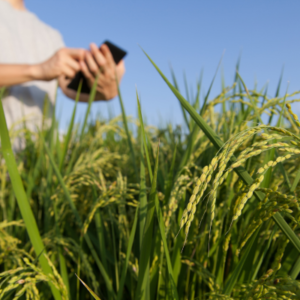
FAO has supported rural women and farmers in Karbala Governorate with productive assets and agricultural inputs to strengthen livelihoods, improve agricultural production and build resilience to climate-related challenges.
The initiative focuses on rural women’s empowerment, climate-smart agriculture, dairy value chain development, vegetable production, Farmer Field Schools, sustainable farming practices, efficient use of agricultural inputs, natural resource management, food security, household income generation and rural livelihoods.
The Food and Agriculture Organization of the United Nations organized a ceremony in Karbala on 10 June 2026 under the patronage of Iraq’s Minister of Agriculture and the Governor of Karbala. The event brought together representatives from the Ministry of Agriculture, FAO in Iraq, local government institutions, agricultural experts and project beneficiaries.
The support was provided under two FAO-led projects implemented in partnership with the Ministry of Agriculture and relevant national and local authorities. These include the Norwegian-funded project “Integrating Climate-Smart Agriculture Practices for Empowering Farmers in Iraq” and the Green Climate Fund-funded project “Enhancing Agricultural Livelihoods of Rural Communities Most Vulnerable to Climate Change.”
Under the Norway-funded project, specialized equipment was provided to strengthen the milk and dairy value chain for 300 rural women in Karbala Governorate. The support aims to improve the quality of dairy products, reduce losses and increase the added value of locally produced dairy products.
This intervention is expected to help rural women increase household income and strengthen their role in local agricultural value chains. It also supports wider efforts to promote women’s economic empowerment in rural communities.
The ceremony also included the distribution of agricultural fertilizers to support vegetable production through Farmer Field School activities under the Green Climate Fund-funded project. A total of 140 beneficiaries received support, including 60 rural women participating in three women-led Farmer Field Schools and 80 farmers participating in four Farmer Field Schools.
The fertilizer distribution aims to enhance agricultural production, promote sustainable farming practices and improve the efficient use of agricultural inputs and natural resources.
During the ceremony, Iraq’s Ministry of Agriculture reaffirmed its commitment to working with international partners to promote climate-smart agriculture and strengthen crop and livestock production. The Ministry noted that these efforts contribute to food security, sustainable natural resource management and improved farmer incomes.
The local government in Karbala also emphasized that supporting agriculture and empowering rural women remain important priorities. Such initiatives are expected to improve livelihoods, strengthen the economic stability of rural households and support sustainable agricultural development across the governorate.