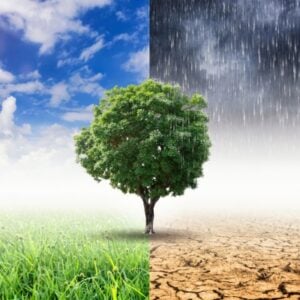
Somalia has launched a new $11.8 million initiative aimed at strengthening climate resilience and improving agricultural and pastoral systems for communities affected by drought. The three-year programme brings together the Federal Government of Somalia, the African Development Bank Group, the World Food Programme (WFP), and the UN Office for Project Services (UNOPS) in a coordinated effort to support long-term food security and sustainable livelihoods.
The initiative, titled Activating Climate-Resilient Agricultural Livelihoods in Somalia (ACALS), will directly benefit around 180,000 people across drought-affected regions including Hirshabelle and Puntland. It is funded through the African Development Fund and focuses on improving land and water management, increasing agricultural productivity, and strengthening access to markets.
Officials say the programme is designed to help communities adapt to worsening climate conditions by investing in irrigation rehabilitation, climate-resilient crops, and sustainable farming practices. It also includes support for disaster preparedness systems such as early warning mechanisms, community training, and ecosystem-based adaptation strategies.
The initiative places a strong emphasis on supporting women and young people through agricultural development and small business opportunities linked to farming and livestock production. Implementing agencies say this approach is intended to strengthen local economies while improving food security in vulnerable areas.
Humanitarian data indicates that millions of people in Somalia are currently facing crisis-level food insecurity, driven by drought, conflict, and declining humanitarian funding. The new programme aims to shift from short-term emergency assistance toward long-term resilience building.
Officials involved in the project describe it as a strategic investment in sustainable development, highlighting its alignment with Somalia’s national transformation priorities. They also emphasize the importance of coordinated international support in addressing the combined challenges of climate change and fragile livelihoods.
The partnership between WFP and UNOPS in this project marks a new collaboration model focused on combining infrastructure development with community-based resilience planning, with the goal of creating more durable systems capable of withstanding future climate shocks.