
The World Health Organization (WHO) and the Government of India have signed a Memorandum of Understanding to co-host the Second WHO Global Summit on Traditional Medicine, scheduled to take place in New Delhi from 17–19 December 2025. This initiative marks a key step in advancing global collaboration and dialogue on traditional medicine. The signing ceremony… [Read More]
WHO
Emergency Medical Support: WHO Assists Health Services in Savannah Conflict Zone

The recent inter-ethnic conflict in Ghana’s Savannah Region has displaced families, destroyed homes, and severely strained public services. Districts such as Sawla-Tuna-Kalba and Bole have been particularly affected, with local health facilities overwhelmed by a surge in injuries, trauma cases, and medical needs. Clinics and hospitals, already operating with limited resources, are struggling to provide… [Read More]
Strengthening Health Systems: WHO Supports Angola in Medicines and Health Technology Oversight

Access to safe, effective, and quality medicines and health technologies is a cornerstone of public health and Universal Health Coverage. In Angola, this goal is being advanced through the structured institutional strengthening of the Regulatory Agency for Medicines and Health Technologies (ARMED), with ongoing technical and financial support from the World Health Organization (WHO), co-financed… [Read More]
Youth-Driven Change in Nepal: A Call for International Support
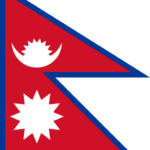
Nepal’s recent challenges and achievements were framed as part of a broader call for strengthened multilateral action. Ambassador Thapa highlighted the youth-led political movement earlier this month, known as the “Gen-Z protests,” which demanded transparent governance, equal opportunities, and an end to corruption. While he praised the aspirations of young Nepalese for a fair, just,… [Read More]
Myanmar’s Rohingya Plight: Urgent Call for International Action
The deepening crisis in Myanmar has intensified the suffering of the Rohingya Muslim community, who continue to face statelessness, displacement, and persecution. More than a million Rohingya now live as refugees in Bangladesh, while countless others remain internally displaced under dire and unsustainable conditions. UN leaders have warned that the ongoing crisis threatens regional stability… [Read More]
Václav Havel Prize 2025 Goes to Ukrainian Journalist for Courage in Journalism

Ukrainian journalist and human-rights defender Maksym Butkevych has been awarded the Václav Havel Human Rights Prize, which recognizes outstanding civil-society action in defense of human rights. The prize was presented on 29 September during the opening day of the autumn plenary session of the Parliamentary Assembly of the Council of Europe (PACE) in Strasbourg. Butkevych… [Read More]
Yemen: Second Polio Vaccination Campaign Begins with WHO, UNICEF, and MoPHP Support

The Ministry of Public Health and Population (MoPHP), together with the World Health Organization (WHO) and UNICEF, launched the second round of Yemen’s polio vaccination campaign across 12 government-controlled governorates. Running from 29 September to 1 October 2025, the three-day campaign aims to immunize over 1.3 million children under the age of five against poliovirus…. [Read More]
Expanding Fair Access to High-Price Health Technologies: Americas Reach Regional Agreement

Health authorities from across the Americas have approved a new regional policy to expand access to high-cost and high-price health technologies, including medicines and vaccines. The agreement was reached during the 62nd Directing Council of the Pan American Health Organization (PAHO) and aims to ensure that essential technologies are accessible to all who need them…. [Read More]
Addressing Ageing Populations and Non-Communicable Diseases: WHO Partners with Kanagawa, Japan

As population ageing accelerates across Asia and the Pacific, driving higher rates of noncommunicable diseases (NCDs), the Government of Kanagawa Prefecture in Japan and the WHO Western Pacific Regional Office have formalized a partnership to address these megatrends and inform regional health policy. The agreement was signed in Yokohama by Kanagawa Governor Yuji Kuroiwa and… [Read More]
Empowering Women Boosts Water Management Efficiency in Indian Villages

A recent study in Madhya Pradesh, India, highlights the critical role of women in driving sustainable development through participation in local governance. Evidence from India shows that legally mandated quotas for women on village councils, combined with low-caste and minority representation, have expanded access to public goods like drinking water. These policies have given women… [Read More]
New £400,000 Grants Support Mental Health and Arts Projects
Grants totaling £400,115 have been awarded to support 23 community projects across Northern Ireland through the Arts and Mental Health Partnership Programme, with individual grants of up to £20,000. The initiative aims to bring arts organisations together with specialist mental health service providers to create projects targeting people experiencing disadvantage or exclusion, including individuals living… [Read More]
Uzbekistan Women Returnees Gain Economic Opportunities Through OSCE Initiatives

A training seminar was held in the Tashkent region to support women who have returned from labour migration, focusing on expanding their economic opportunities. The event was backed by the OSCE Project Co-ordinator in Uzbekistan and organized in collaboration with the Committee of Family and Women, the Committee on Tourism under the Ministry of Ecology,… [Read More]
International Observers Highlight Cyber Threats, Illegal Funding in Moldova’s Competitive Elections

Moldova’s recent parliamentary elections were competitive and offered voters clear choices between political alternatives, but the process was overshadowed by serious challenges, including foreign interference, illegal campaign financing, cyberattacks, and widespread disinformation, according to international observers. Despite the authorities’ efforts to mitigate these threats, these factors posed significant obstacles to the integrity of the electoral… [Read More]
WHO Partners with Zamfara State to Combat Cholera Through Vaccination Campaign

Zamfara State has intensified efforts to contain a cholera outbreak through a reactive oral cholera vaccination (OCV) campaign, supported by the National Primary Health Care Development Agency (NPHCDA), World Health Organization (WHO), UNICEF, and other partners. The campaign targeted six high-burden Local Government Areas (LGAs)—Gusau, Bungudu, Zurmi, Anka, Talata Mafara, and Shinkafi—following the release of… [Read More]
Nigeria Strengthens Polio Surveillance to Secure Eradication Gains
Nigeria is intensifying its efforts to eradicate all forms of poliovirus by the end of 2025. With technical support from the World Health Organization (WHO) and other partners, the government, through the National Emergency Operations Center (NEOC), has launched rapid surveillance assessments (RSAs) to enhance the capacity to detect suspected poliovirus cases quickly and guide… [Read More]
Decade-Long Wrongful Imprisonment of Tajikistan Lawyer Raises Human Rights Concerns
Tajikistan’s authorities have wrongfully imprisoned human rights lawyer Buzurgmehr Yorov for 10 years due to his work representing political opposition leaders, according to 11 international organizations. Yorov is currently serving a 23-year prison sentence, which has been repeatedly extended through new, politically motivated charges. Human rights groups are calling for his immediate release, along with… [Read More]
Rising Repression in Tanzania Poses Risks to Upcoming Elections
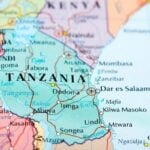
The Tanzanian government has intensified political repression ahead of the general elections scheduled for October 29, 2025, raising serious concerns about the fairness and credibility of the vote. Authorities have suppressed opposition parties and critics of the ruling Chama Cha Mapinduzi (CCM) party, restricted media freedom, and failed to ensure the independence of the electoral… [Read More]
LGBTQ+ and Women’s Groups Face Funding Cuts as Ottawa Plans Spending Reductions

LGBTQ+ and women’s groups in Canada are preparing for potential funding cuts in the federal budget scheduled for November. Activists have been encouraged by the minister overseeing Ottawa’s gender policy to speak out, and many organizations are ramping up advocacy efforts on Parliament Hill to safeguard programs supporting their communities. Mitzie Hunter, president of the… [Read More]
Amazon Conservation Strengthened: UNDP and Brazil Join Forces with Green Climate Fund

The Ministry of Environment and Climate Change (MMA) and the UN Development Programme (UNDP) have announced new investments under the Floresta+ Amazon Project, supported by the Green Climate Fund. The initiative provides over R$ 1.5 million (approximately US$280,000) in direct payments for environmental services to around 200 farmer families across 15 municipalities in Amazonas. These… [Read More]
Building Resilience: Lessons from Zimbabwe’s Climate-Smart Irrigation for Smallholder Farmers

In Zimbabwe’s semi-arid districts, climate-smart irrigation schemes are helping farmers overcome erratic rainfall, increase harvests, and secure more stable incomes. Supported by FAO and its partners, these initiatives are enhancing community resilience to climate shocks while safeguarding natural resources. By combining infrastructure improvements with capacity-building, the programs are transforming how smallholders manage water, crops, and… [Read More]
NAMASTE Helpline Empowers India’s Waste Pickers with Support and Dignity

The NAMASTE Helpline exemplifies the transformative power of accessible information, particularly for waste pickers in India who have long been excluded from social protection. By providing timely guidance on health care, pensions, skilling, and workplace rights, the helpline ensures that marginalized workers can access essential services and claim their rights, demonstrating that information is a… [Read More]
Preparing Francophone Nations for the Future: WHO Launches Digital Health Capacity Building

Digital health is increasingly recognized as a crucial tool for improving access, quality, and efficiency in health systems. Technologies such as telemedicine and electronic health records are reshaping how health services are planned, delivered, and evaluated. However, this digital transformation requires strong competencies in governance, strategic planning, interoperability, data security, and stakeholder engagement to ensure… [Read More]
How Organizations Are Supporting Mongolia After the Catastrophic Dzud

A dzud, locally known as the ‘white death,’ is an extreme weather event in Mongolia characterized by a harsh winter following a summer drought. During these events, temperatures can drop below -30 degrees Celsius, and heavy snowfall blankets the country. While traditionally occurring every few years, climate change has increased their frequency, with some regions… [Read More]


