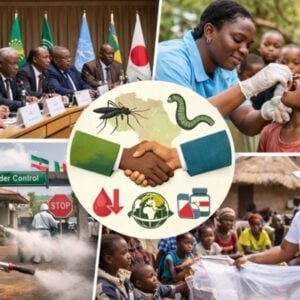
Health experts, policymakers, and international health officials gathered in Bogotá for the “Better Care for Non-Communicable Diseases” workshop organized by Colombia’s Ministry of Health and Social Protection and the Pan American Health Organization.
The workshop focused on addressing the growing burden of non-communicable diseases (NCDs) such as cardiovascular disease, cancer, diabetes, and chronic respiratory illnesses, which continue to place major pressure on health systems, families, and communities across Colombia and the wider Latin American region.
Participants discussed strategies to strengthen prevention, diagnosis, and long-term care through primary health care systems, while also improving coordination between national authorities and international health organizations. The event forms part of broader efforts to support the development of Colombia’s Ten-Year Plan for NCD Management.
Gina Tambini emphasized that tackling non-communicable diseases is both a public health priority and a matter of social justice. She noted that cooperation between Colombia and PAHO has focused on prevention, risk reduction, stronger primary care systems, and addressing social determinants of health.
The discussions also included participation from Anselm Hennis, who highlighted Colombia’s ongoing work to identify gaps in NCD care and improve responses to major risk factors such as unhealthy diets and food labeling practices.
Cardiovascular diseases remain among the leading causes of death in Colombia, while annual cancer cases exceed 70,000 nationwide. Experts at the workshop stressed that stronger collaboration, evidence-based policy, and improved access to preventive care are essential to reducing the long-term health and economic impact of chronic diseases.
The event also provided an opportunity for regional knowledge-sharing, allowing health leaders to exchange experiences and develop coordinated strategies aimed at improving care and strengthening health system resilience throughout the region.