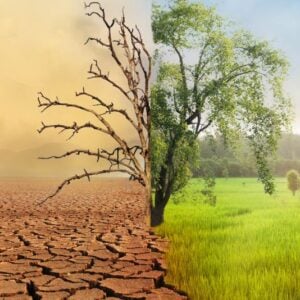
Togo has launched a new call for proposals to support forest restoration initiatives in its Plateaux region, with backing from the Food and Agriculture Organization (FAO). The program is part of the broader AFR100 initiative, which aims to restore degraded landscapes across Africa through large-scale reforestation and sustainable land use projects.
The call targets a wide range of local actors, including farmer and forestry organizations, community groups, women’s and youth associations, NGOs, micro and small enterprises, and other stakeholders involved in environmental and rural development activities. Projects must focus on forest restoration, agroforestry development, and sustainable income-generating activities across several prefectures in the western Plateaux region, including Kloto, Agou, Danyi, Amou, and Kpélé.
Selected initiatives will be implemented over a period of up to 12 months. Funding will be provided through two grant categories, with small grants ranging from approximately $5,200 to larger grants of up to about $48,000. The program is designed to support practical, community-driven efforts that improve both ecological outcomes and local livelihoods.
According to FAO, proposed projects are expected to contribute to restoring degraded forest landscapes, conserving biodiversity, strengthening agricultural and forestry value chains, and improving income opportunities for rural communities. The initiative aligns with Togo’s broader commitment under AFR100 to restore 1.4 million hectares of degraded land.
At the continental level, AFR100 aims to restore 100 million hectares of degraded land across Africa by 2030, making it one of the region’s most ambitious environmental restoration efforts. The new program in Togo reflects growing momentum around nature-based solutions that combine climate action with economic development for local communities.
Applications for the grants will remain open until June 19, 2026, and selected projects are expected to begin implementation shortly after the evaluation process concludes.