The United Nations World Food Programme (WFP) has warned that El Obeid city in Sudan’s North Kordofan state is becoming a major centre of displacement and hunger as thousands of people flee conflict and seek safety in the area.
Speaking during a briefing at the Palais des Nations in Geneva, WFP Sudan Country Director Abdallah Aldawart described El Obeid as a city facing an escalating humanitarian emergency after witnessing conditions on the ground during a recent visit.
El Obeid, a city with an estimated population of around half a million people, is now hosting a large number of displaced families arriving from South Kordofan, West Kordofan, North Kordofan and areas as far as Darfur. Some estimates suggest that the number of displaced people in and around the city may be twice its original population.
Overcrowded displacement camps and temporary shelters have placed significant pressure on the city’s already limited resources. More than 120,000 displaced people are living in the Unified IDP Camp, while many others are staying with host families or creating makeshift shelters using available materials.
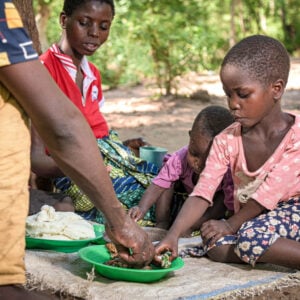
Food, water and fuel shortages remain among the biggest challenges facing residents and displaced communities. WFP is currently providing food assistance to more than 100,000 people in El Obeid, but the agency says many more people urgently need support.
Fuel shortages have also disrupted humanitarian operations, making it difficult for partner organizations to transport food supplies. WFP has deployed its own trucks to move assistance from warehouses to distribution points and maintain critical relief operations.
Despite the severe conditions, WFP highlighted the generosity of El Obeid’s residents, who continue to support displaced families by sharing limited resources and available services. However, funding shortages have reduced food assistance, with many people receiving only half of the recommended food ration.
During his visit, Aldawart met families waiting for food and water assistance and described humanitarian aid as the only source of support for many people living in displacement camps. He emphasized that WFP has the ability to deliver assistance and maintain access in El Obeid, but a lack of resources is preventing the organization from reaching everyone in need.
The worsening situation in El Obeid reflects the broader humanitarian crisis across Sudan, where conflict and displacement continue to increase food insecurity. WFP has called for urgent international support to expand lifesaving assistance and prevent further deterioration of conditions for vulnerable communities.