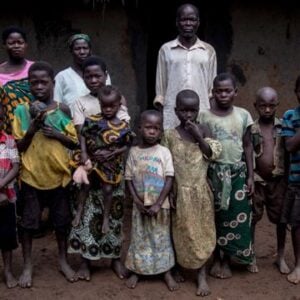
The International Labour Organization (ILO), in partnership with the European Union (EU), has launched a major initiative aimed at promoting decent work and preventing child labour across global supply chains. The project seeks to address the root causes of child labour while improving labour conditions and strengthening responsible business practices in sectors that are vulnerable to exploitation and unsafe working environments.
The initiative focuses particularly on industries such as coffee production and mining, where child labour remains a significant concern in several developing countries. According to the ILO, poverty, social vulnerability, weak labour protections, limited access to education, and economic instability are among the key drivers contributing to child labour in these sectors. The programme aims to tackle these challenges through integrated and area-based interventions that support families, workers, and local communities.
The project is being implemented jointly by the ILO, the Food and Agriculture Organization (FAO), the International Trade Centre (ITC), and UNICEF, with financial support from the European Union. Activities under the programme include improving access to education and social protection, strengthening labour rights, enhancing occupational safety, and supporting sustainable livelihoods for vulnerable populations. The initiative also seeks to improve due diligence and accountability within international supply chains to ensure businesses respect labour standards and human rights.
Several countries, including Uganda, Honduras, Viet Nam, and the Democratic Republic of Congo, are among the focus areas for project implementation. These countries face ongoing challenges related to child labour in agriculture and mining sectors. Through partnerships with governments, employers, workers’ organizations, and private sector stakeholders, the programme aims to create long-term solutions that reduce exploitation and improve decent work opportunities for adults and young workers.
The European Union and the ILO emphasized that promoting decent work and eliminating child labour are essential for achieving sustainable economic development and social justice. The partnership reflects broader global efforts to strengthen ethical supply chains, protect vulnerable workers, and support international labour standards. The organizations also highlighted the importance of international cooperation and adequate investment in creating safer, fairer, and more inclusive working conditions worldwide.