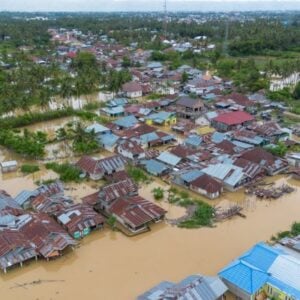
The World Bank has approved a $160 million grant through the International Development Association (IDA) to support Chad’s efforts to improve water security and strengthen resilience to climate change. The funding will be used to implement the Water Security and Resilience Support Project (PASER), which aims to address the growing challenges posed by climate shocks, environmental degradation, and population displacement across vulnerable regions of the country.
The project is designed to improve access to climate-resilient infrastructure and essential services in areas experiencing high levels of fragility and vulnerability. By focusing on sustainable resource management, capacity building, and community resilience, the initiative seeks to help populations better cope with recurring droughts, floods, and land degradation while improving their overall living conditions.
Increasing pressure on water and natural resources has contributed to tensions among communities in Chad, particularly as the country hosts more than 1.3 million refugees from Sudan. The project aims to reduce these pressures by restoring access to water resources and creating opportunities for long-term stability. It also addresses key drivers of fragility, including regional inequalities, limited economic opportunities, and conflicts linked to competition over natural resources.
A significant portion of the financing comes from a dedicated funding window that supports host communities and refugees. The initiative aligns with Chad’s national development strategy, which seeks to shift from short-term humanitarian assistance toward a more integrated approach centered on development, resilience, and social inclusion in areas affected by displacement.
The project has been developed in close collaboration with development partners and is intended to demonstrate how development investments can contribute to peacebuilding and conflict prevention in fragile environments. By improving infrastructure, strengthening local institutions, and supporting sustainable resource management, the program aims to help Chad transition toward greater stability and resilience.
Approximately one million people are expected to benefit from the project’s investments, with more than half coming from refugee and host communities. Women will represent over 50 percent of the beneficiaries. Activities will be implemented in provinces hosting refugees as well as in N’Djamena and other vulnerable regions, ensuring that support reaches communities most affected by climate change, displacement, and resource scarcity.