• Skip to primary navigation
  • Skip to main content
  • Skip to primary sidebar

fundsforNGOs News

Grants and Resources for Sustainability

  • Subscribe for Free
  • Premium Support
  • Premium Login
  • Premium Sign up
  • Home
  • Funds for NGOs
    • Agriculture, Food and Nutrition
    • Animals and Wildlife
    • Arts and Culture
    • Children
    • Civil Society
    • Community Development
    • COVID
    • Democracy and Good Governance
    • Disability
    • Economic Development
    • Education
    • Employment and Labour
    • Environmental Conservation and Climate Change
    • Family Support
    • Healthcare
    • HIV and AIDS
    • Housing and Shelter
    • Humanitarian Relief
    • Human Rights
    • Human Service
    • Information Technology
    • LGBTQ
    • Livelihood Development
    • Media and Development
    • Narcotics, Drugs and Crime
    • Old Age Care
    • Peace and Conflict Resolution
    • Poverty Alleviation
    • Refugees, Migration and Asylum Seekers
    • Science and Technology
    • Sports and Development
    • Sustainable Development
    • Water, Sanitation and Hygiene (WASH)
    • Women and Gender
  • Funds for Companies
    • Accounts and Finance
    • Agriculture, Food and Nutrition
    • Artificial Intelligence
    • Education
    • Energy
    • Environment and Climate Change
    • Healthcare
    • Innovation
    • Manufacturing
    • Media
    • Research Activities
    • Startups and Early-Stage
    • Sustainable Development
    • Technology
    • Travel and Tourism
    • Women
    • Youth
  • Funds for Individuals
    • All Individuals
    • Artists
    • Disabled Persons
    • LGBTQ Persons
    • PhD Holders
    • Researchers
    • Scientists
    • Students
    • Women
    • Writers
    • Youths
  • Funds in Your Country
    • Funds in Australia
    • Funds in Bangladesh
    • Funds in Belgium
    • Funds in Canada
    • Funds in Switzerland
    • Funds in Cameroon
    • Funds in Germany
    • Funds in the United Kingdom
    • Funds in Ghana
    • Funds in India
    • Funds in Kenya
    • Funds in Lebanon
    • Funds in Malawi
    • Funds in Nigeria
    • Funds in the Netherlands
    • Funds in Tanzania
    • Funds in Uganda
    • Funds in the United States
    • Funds within the United States
      • Funds for US Nonprofits
      • Funds for US Individuals
      • Funds for US Businesses
      • Funds for US Institutions
    • Funds in South Africa
    • Funds in Zambia
    • Funds in Zimbabwe
  • Proposal Writing
    • How to write a Proposal
    • Sample Proposals
      • Agriculture
      • Business & Entrepreneurship
      • Children
      • Climate Change & Diversity
      • Community Development
      • Democracy and Good Governance
      • Disability
      • Disaster & Humanitarian Relief
      • Environment
      • Education
      • Healthcare
      • Housing & Shelter
      • Human Rights
      • Information Technology
      • Livelihood Development
      • Narcotics, Drugs & Crime
      • Nutrition & Food Security
      • Poverty Alleviation
      • Sustainable Develoment
      • Refugee & Asylum Seekers
      • Rural Development
      • Water, Sanitation and Hygiene (WASH)
      • Women and Gender
  • News
    • Q&A
  • Premium
    • Premium Log-in
    • Premium Webinars
    • Premium Support
  • Contact
    • Submit Your Grant
    • About us
    • FAQ
    • NGOs.AI
You are here: Home / cat / Save the Children Expands School-Based Ebola Prevention Support in DRC

Save the Children Expands School-Based Ebola Prevention Support in DRC

Dated: June 22, 2026

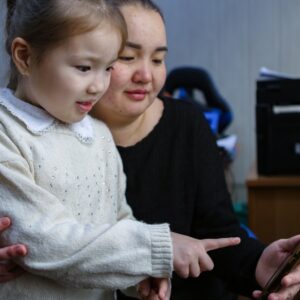
Save the Children has developed a new play-based learning programme in the Democratic Republic of Congo to teach young children about Ebola using puppets, songs, games and musical activities. The initiative aims to help children as young as four understand the virus, counter misinformation and support families during one of the country’s most serious Ebola outbreaks.

The programme is being rolled out as fear, rumours and Ebola denial continue to affect communities. Misinformation has contributed to distrust in healthcare services, attacks on health workers and treatment centres, and declining school attendance in affected areas. Many parents are keeping children away from classrooms because of fears they may contract Ebola at school.

The outbreak, officially declared on 15 May, has affected hundreds of people and caused more than 200 deaths, including children. In Ituri, one of the worst-hit areas, teachers have reported that fear is spreading quickly among students, with some children missing school or hiding instead of attending classes.

Save the Children is working with the Education Cluster, local health authorities and education officials to support schools during the outbreak. New guidance has been launched for teachers and schools, especially as end-of-year exams take place, with measures including handwashing, screening at examination centre entrances and quick referral for Ebola-like symptoms.

Teachers trained by Save the Children are integrating Ebola awareness into daily school activities. Through child-friendly learning methods, students are being taught how the virus spreads, how to protect themselves and why treatment and prevention measures are important. The aim is to reduce fear while helping children become trusted messengers within their families and communities.

Save the Children has also provided 33 schools in Ituri with infection prevention and control kits. These include thermal scanners, handwashing devices, chlorine and hygiene supplies to help schools reduce the risk of Ebola exposure and maintain safer learning environments.

The organisation says Ebola is not only a health crisis but also an education and child wellbeing crisis. School closures, fear, stigma and misinformation can disrupt learning and increase stress among children. By using schools as safe spaces for awareness and prevention, the programme seeks to protect both health and education.

Community resistance remains a major challenge. Some families have refused home disinfection after suspected cases, while others have left isolation facilities. Save the Children says these reactions reflect fear, mistrust and limited understanding of Ebola prevention and treatment measures.

The new child-friendly Ebola awareness programme highlights the importance of clear, accessible and age-appropriate communication during health emergencies. By using puppets, songs and games, Save the Children is helping children understand difficult health messages in a way that feels familiar, engaging and less frightening.

The initiative shows how education can play a critical role in outbreak response. In the DRC, schools are being used not only to continue learning but also to fight misinformation, reduce stigma, promote prevention and help families make safer decisions during the Ebola crisis.
Related Posts

  • Uncertainty Grows Over US Role in Ebola Response Amid Funding Concerns
  • G7 Highlights Urgent Need for Collective Action to Prevent Ebola Spread
  • WHO Expands Ebola Treatment Capacity in DR Congo Amid Ongoing Outbreak
  • WHO Praises Uganda’s Ebola Response and Calls for Continued Regional Cooperation
  • PAHO Strengthens Public Health Collaboration with Dutch Caribbean Experts at DuCaPHEN 2026

Primary Sidebar

Latest News

Why Climate Change Is Winning the Game — and How Humanity Can Fight Back

Timor-Leste Advances Food System Transformation Through Sustainable Agriculture and Market Access

How Companies Can Create Long-Term Community Impact Through CSR

The Evolution of CSR: From Philanthropy to Sustainable Social Impact

How CSR Initiatives Are Transforming Child Rights and Education in India

CSR and Child Rights: How Indian Corporates Are Creating Lasting Change

EU and WFP Provide Cash Assistance to Support Vulnerable Refugees in Uganda

Mongolia Launches Upgraded e-Business.mn Platform to Support Business Formalization

ILO-Supported Roadmap Aims to Improve Social Security Governance in Sri Lanka

Thailand and ILO Partnership Supports Workers, Employers and Social Justice

Joint SDG Fund Supports Food Systems Transformation in Timor-Leste

Absa Bank Tanzania and TPSF Promote Financial Inclusion for Women in Business

Youth Entrepreneurs in Egypt Can Access Up to EGP 200,000 in Support

EIB Global Provides €40 Million to Modernise Schools Across Moldova

EU Provides Additional €10 Million to Modernise Hospitals in Moldova

World Bank Approves $1.5 Billion Financing to Support India’s Jobs and Growth Reforms

World Bank Highlights Education Leadership as Critical for Workforce Readiness

Smart Development Delivers Climate, Jobs and Resilience Benefits, Says World Bank

Intra-African Trade Reaches $214 Billion as Regional Integration Grows

Electricity Fraud Costs Cameroon CFA60 Billion Annually, Government Says

AFD Supports Sustainable Forestry Skills Development with €5 Million Grant

AfDB-GHIB Partnership to Expand Trade Finance Access in West Africa

NSIA Bank Côte d’Ivoire Secures $34 Million to Expand SME Lending

EIB Provides €200 Million to Support SME Lending in Nigeria

Ethiopia Signs $10.15 Million Deal to Expand Poultry Production Capacity

New Solar Projects in South Africa to Power Over 450,000 Households

Kenya Advances $1.2 Billion Expansion of Jomo Kenyatta International Airport

Egypt Rail Upgrade Program Awards €300 Million Share to Alstom

World Bank Supports Djibouti-Ethiopia Trade Route with New $45 Million Grant

How Local Innovation Can Solve Global Development Challenges

UN Appeal Targets 8.8 Million People at Risk from Extreme Weather Events

CFI Invests $10 Million in Community-Led Research Across Canada’s North

Indian Startup Funding Crosses $240 Million Amid Diverse Sector Growth

Lismore Council to Seek Funding for Long-Term Home for Hannah Cabinet

How the UN Peacebuilding Fund Supports Communities Recovering from Conflict

Save the Children Expands School-Based Ebola Prevention Support in DRC

UNDP and Japan Help Ukraine Build Stronger Public Diplomacy Capacity

What the Evidence Shows About Reducing Child Poverty Worldwide

€3.25m Future Cast Centre to Drive Rural Innovation and Advanced Manufacturing

How Climate-Smart Agriculture Is Transforming Women’s Livelihoods in Bangladesh

Funds for NGOs
Funds for Companies
Funds for Media
Funds for Individuals
Sample Proposals

Contact us
Submit a Grant
Advertise, Guest Posting & Backlinks
Fight Fraud against NGOs
About us

Terms of Use
Third-Party Links & Ads
Disclaimers
Copyright Policy
General
Privacy Policy

Premium Sign in
Premium Sign up
Premium Customer Support
Premium Terms of Service

©FUNDSFORNGOS LLC.   fundsforngos.org, fundsforngos.ai, and fundsforngospremium.com domains and their subdomains are the property of FUNDSFORNGOS, LLC 1018, 1060 Broadway, Albany, New York, NY 12204, United States.   Unless otherwise specified, this website is not affiliated with the abovementioned organizations. The material provided here is solely for informational purposes and without any warranty. Visitors are advised to use it at their discretion. Read the full disclaimer here. Privacy Policy. Cookie Policy.