The World Health Organization (WHO) has praised Uganda’s response to an Ebola outbreak linked to cases in the neighbouring Democratic Republic of Congo (DRC), while warning that continued vigilance and cross-border cooperation are essential to prevent further spread.
The outbreak, confirmed in both Uganda and the DRC in May 2026, involves the Bundibugyo species of Ebola, for which there is currently no approved vaccine. Uganda has reported confirmed and probable cases, with most infections connected to transmission from the DRC.
During a regional mission, WHO Director-General Tedros Adhanom Ghebreyesus visited Uganda and recognized the efforts of health workers, emergency teams, and national authorities in managing the outbreak. He highlighted the country’s surveillance systems, testing capacity, and patient care measures as key factors in the response.
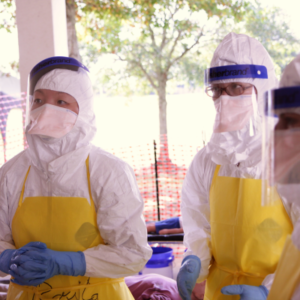
WHO officials noted several positive developments, including strong community cooperation, expanded laboratory capacity, and the recovery of some patients. Uganda’s Ebola Treatment Unit at Mulago National Referral Hospital was activated quickly after the outbreak was declared, supported by the country’s trained emergency medical team.
Health experts emphasized that preparedness plays a critical role in saving lives during outbreaks. The rapid deployment of trained personnel and established response systems has helped Uganda identify cases and begin treatment more effectively.
Despite progress, WHO warned that the risk of further transmission remains. Authorities stressed that cooperation between Uganda and the DRC is vital, especially in border communities where frequent movement between countries can increase the risk of spread.
WHO also called against travel bans, saying they do not effectively control Ebola outbreaks and may disrupt the movement of medical teams, supplies, and essential resources needed for response efforts.
Uganda’s experience with previous Ebola outbreaks has strengthened its health emergency systems, and international partners continue to work with national authorities to support containment efforts and protect vulnerable communities.