Humanitarian organization Action Against Hunger has activated its global Emergency Response Fund to support Ebola prevention and containment efforts in Uganda, as health authorities work to control the spread of the virus in the region.
The announcement, made on 11 June 2026, comes alongside the organization’s ongoing response activities in the Democratic Republic of Congo, where Ebola-related preparedness and frontline interventions are also underway. The funding will be used to strengthen local health systems and improve outbreak response capacity in affected and high-risk areas.
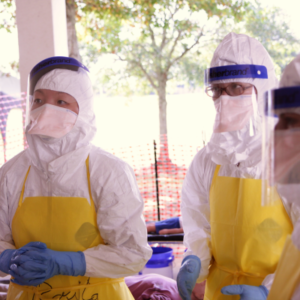
Key interventions include support for infection prevention and control measures, distribution of personal protective equipment for health workers, risk communication campaigns, and enhanced disease surveillance systems. These efforts are aimed at improving early detection and limiting transmission in vulnerable communities.
According to Action Against Hunger, Ebola outbreaks pose a heightened risk in areas already affected by malnutrition and food insecurity. The organization warns that the combination of disease outbreaks and hunger can significantly increase mortality rates and place additional strain on fragile health systems.
Health experts involved in the response emphasize the importance of maintaining essential services such as nutrition programs, clean water access, and basic healthcare delivery during outbreaks. These services are considered critical to preventing secondary health crises alongside Ebola infections.
The World Health Organization has declared the outbreak a Public Health Emergency of International Concern, highlighting the seriousness of the situation. Authorities continue to stress prevention, community awareness, and rapid response measures as key tools in controlling the spread of the disease.
Action Against Hunger also notes that culturally sensitive approaches are essential, particularly in addressing traditional burial practices that can contribute to transmission risks during Ebola outbreaks.
The organization’s response reflects a broader effort among humanitarian actors to integrate disease control with nutrition and health support, ensuring that vulnerable populations receive comprehensive assistance during public health emergencies.