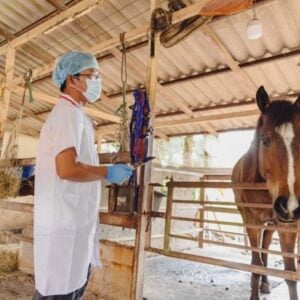
The Food and Agriculture Organization of the United Nations (FAO) has delivered laboratory equipment and ELISA diagnostic kits to Tajikistan as part of efforts to strengthen the country’s pandemic preparedness, disease surveillance, and food safety monitoring systems. The support was provided to the Committee for Food Security under the Government of Tajikistan through a regional initiative focused on improving health security across Central Asia.
Funded by the Pandemic Fund, the project “Pandemic Preparedness and Response through a One Health Approach in Central Asia” aims to enhance national capacities for detecting and responding to health threats by strengthening laboratory infrastructure and promoting collaboration across human, animal, and environmental health sectors.
The equipment package includes a wide range of modern laboratory tools such as autoclaves, centrifuges, ultra-low temperature freezers, incubators, microscopes, refrigerators, laminar flow cabinets, and ELISA diagnostic kits. These resources will support laboratory testing, disease monitoring, food safety assessments, and antimicrobial resistance surveillance throughout the country.
The newly supplied ELISA kits will play a critical role in monitoring antibiotic residues in animal-derived food products and animal feed, helping authorities strengthen food safety controls and improve public health protection. Enhanced laboratory capabilities will also support faster detection of disease outbreaks and more effective responses to emerging health risks.
FAO officials noted that strengthening laboratory systems is a key component of improving preparedness for future animal health emergencies and potential pandemics. By expanding diagnostic and analytical capacity, Tajikistan will be better equipped to identify threats early and implement timely interventions.
The initiative follows the One Health approach, which recognizes the close connection between human, animal, and environmental health. This framework encourages coordinated action among different sectors to address complex health challenges and reduce the risk of disease transmission.
The equipment will be distributed among selected national and regional laboratories under the Committee for Food Security, improving laboratory services and surveillance activities across Tajikistan. Authorities expect the investment to support ongoing national food safety programs and strengthen veterinary diagnostic services.
The handover comes ahead of World Food Safety Day 2026, observed globally on June 7 under the theme “From Burden to Solutions – Safe Food Everywhere.” The theme highlights the importance of science-based measures, reliable data, and effective surveillance systems in reducing food safety risks and protecting public health.
As global health challenges continue to evolve, initiatives such as this demonstrate the growing importance of laboratory modernization, disease monitoring, and cross-sector collaboration in building resilient health systems and safeguarding food security.