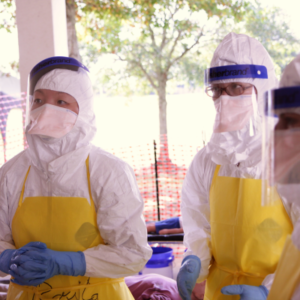
Global health leaders are calling for urgent reforms in pandemic preparedness as an Ebola-related outbreak in the Democratic Republic of the Congo (DRC) and Uganda continues to spread, raising concerns about weak global response systems and recurring cycles of “panic and neglect” in outbreak management.
The Bundibugyo Virus Disease outbreak has reached more than 600 confirmed cases and over 100 deaths, according to health officials, prompting warnings that the situation represents a preventable crisis if stronger prevention and response systems had been in place.
In an open letter, major global health governance groups including the Independent Panel for Pandemic Preparedness and Response, the Global Preparedness Monitoring Board, and the Global Council on Inequality, AIDS and Pandemics urged governments to move beyond short-term emergency reactions and invest in sustained outbreak preparedness. They warned that despite lessons from COVID-19, the world remains unprepared for emerging infectious disease threats.
The letter criticized stalled international negotiations on pandemic agreements and highlighted a global shortfall in funding for preparedness systems, estimating that significantly more investment is needed each year to strengthen early detection, vaccine development, and rapid response capacity. Leaders emphasized that modern scientific tools exist to respond quickly to outbreaks, but political commitment and financing continue to lag behind.
On the ground, response efforts in the DRC and Uganda are being hampered by limited infrastructure, insecurity, and weak health systems. Health authorities report uneven contact tracing, shortages of medical supplies, and inadequate access to clean water, sanitation, and protective equipment in affected regions. Poor transport infrastructure and lack of emergency logistics are also slowing containment efforts.
Public health agencies have also raised concerns about misinformation and declining community trust, which are undermining efforts to isolate cases and promote safe medical practices. Fear and rumors about treatment centers have reportedly discouraged some communities from cooperating with health workers.
Despite these challenges, international support is increasing, with the European Union committing €11.5 million to assist the Africa Centres for Disease Control and Prevention in its response efforts. Health officials say immediate priorities include improving surveillance, strengthening community engagement, expanding rapid response teams, and ensuring safer treatment and burial practices.
As the outbreak continues, global health leaders are urging governments to finalize long-delayed pandemic preparedness agreements and invest in long-term systems designed to prevent future outbreaks from escalating into global crises.