You are here: Home/cat/ G7 Highlights Urgent Need for Collective Action to Prevent Ebola Spread
G7 Highlights Urgent Need for Collective Action to Prevent Ebola Spread
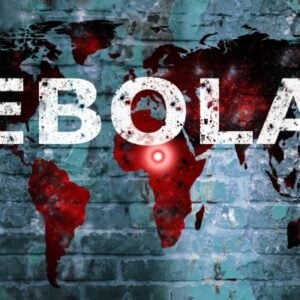
Leaders of the G7 nations have called for a stronger and more coordinated international response to address the growing threat posed by the Ebola virus. Meeting in Kananaskis, Canada, the group emphasized the importance of collaboration among governments, international organizations, and health agencies to prevent the spread of the disease and protect global health security. The leaders stressed that timely action is essential to contain outbreaks before they escalate into wider international crises.
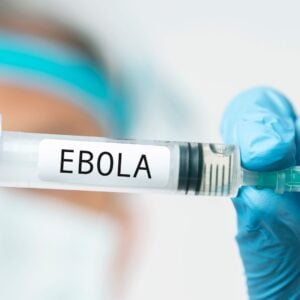
The G7 highlighted the need for immediate support to regions affected by Ebola, including the provision of vaccines, medical supplies, healthcare infrastructure, and trained medical personnel. Strengthening disease surveillance systems and rapid response capabilities was identified as a key priority to ensure early detection and effective containment of outbreaks. These measures are intended to reduce transmission risks and improve preparedness for future health emergencies.
Recognizing that infectious diseases do not respect national borders, G7 leaders underscored the importance of collective action and international coordination. They called for stronger support for the World Health Organization and emphasized the need for adequate funding of emergency health programs. The leaders noted that Ebola represents not only a public health challenge but also a significant economic and social threat to affected communities and countries.
Experts participating in discussions pointed out that early intervention can significantly reduce loss of life and limit broader societal disruptions. Investments in healthcare systems, emergency preparedness, and public health infrastructure were described as critical components of global resilience against future outbreaks and pandemics.
The G7 also emphasized the importance of advancing scientific research and developing effective early warning systems for infectious diseases. Enhanced monitoring, data sharing, and international cooperation can help identify emerging health threats more quickly and support evidence-based responses. In an increasingly interconnected world, local disease outbreaks can rapidly become international emergencies, making coordinated action essential.
The call for unified efforts reflects a growing recognition that health security is closely linked to global stability and economic resilience. By strengthening preparedness, improving international cooperation, and investing in health systems, G7 leaders aim to build a more robust framework capable of responding to current and future infectious disease threats, including Ebola and other emerging pandemics.