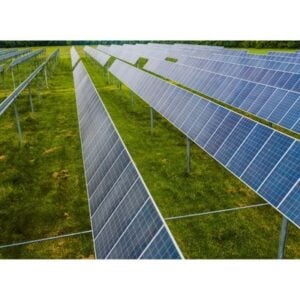
Hurungwe District — May 21, 2026 — The Government of Zimbabwe has officially commissioned the 120 kW Dete Solar Mini‑Grid, a landmark renewable‑energy project designed to bring clean, reliable electricity to rural communities in Mashonaland West Province. The initiative, led by the Rural Electrification Agency (REA) under the Rural Electrification Fund (REF) and supported by the United Nations Development Programme (UNDP), marks a major step toward achieving universal energy access by 2030.
Expanding Rural Energy Access
The mini‑grid now powers two schools, a clinic, local businesses, churches, and community boreholes, improving education, healthcare, and livelihoods. By replacing firewood and other traditional fuels, the project reduces environmental impact and alleviates the energy burden on women and girls.
Financing and Implementation
Developed through a blended‑finance model, the project combined public‑sector leadership with UNDP’s catalytic funding of US $337,000 for solar panels, battery storage, and inverters. REA built a 5.9 km distribution network and installed smart prepaid meters, creating a replicable framework for future rural electrification projects.
Empowering Local Communities
Beyond household connections, the mini‑grid supports small enterprises through solar kiosks offering phone charging, refrigeration, tailoring, and retail services. Training programmes have equipped residents with business and financial skills, fostering long‑term sustainability and economic empowerment.
Advancing National and Global Goals
The Dete Solar Mini‑Grid aligns with Zimbabwe’s Vision 2030, the National Development Strategy (NDS2), and the Sustainable Development Goal 7 on affordable and clean energy. It also contributes to the country’s Nationally Determined Contributions (NDCs), addressing the rural‑urban energy divide where over 91 percent of rural households lack electricity.