Hamburg Energienetze GmbH (HNE) and vhh.mobility have secured major financing from the European Investment Bank (EIB) to advance Hamburg’s energy and mobility transition. HNE will receive €1 billion to modernize and expand the city’s electricity distribution grid, while vhh.mobility will obtain €125 million to purchase 188 new electric buses and upgrade depot infrastructure. Both companies are part of HGV, Hamburg’s municipal holding group, which coordinated the financing arrangements.
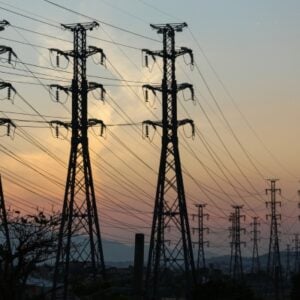
HNE plans to invest €2.9 billion by 2029 in grid expansion and modernization, with the EIB loan covering 28 percent of the total. The program includes 1,500 kilometers of new and renewed power lines, new substations, switchgear bays, and digital grid control systems to integrate renewable energy. By 2040, maximum grid load is expected to double due to heat pumps, e‑mobility, and zero‑emission buses, making this investment critical for Hamburg’s energy transition and aligned with EU climate goals under REPowerEU.
vhh.mobility, Germany’s third-largest municipal bus operator, will invest €337 million in expanding e‑mobility, with the EIB loan covering 37 percent of the project. The plan includes 120 standard buses, 52 articulated buses, and 16 minibuses, alongside depot electrification. Already operating one-third of its fleet with electric drive, vhh.mobility has procured only zero‑emission buses since 2020. The new vehicles will reduce CO₂ emissions, air pollutants, and noise, supporting European and national climate targets.
The two projects are strategically interconnected: the expansion of the electric bus fleet depends on a robust electricity grid capable of supporting charging infrastructure. Coordinated under HGV, this integrated approach exemplifies how energy and mobility investments can reinforce each other.
EIB Vice-President Nicola Beer highlighted Hamburg’s integrated model of combining strong electricity networks with electrified public transport. Local leaders emphasized that the financing strengthens Hamburg’s competitiveness, affordability, and climate resilience, while showcasing the city as a European frontrunner in sustainable infrastructure.
Together, these investments demonstrate how coordinated planning across energy and mobility sectors can accelerate the transition to zero‑emission infrastructure, improve quality of life, and position Hamburg as a model city for Europe’s Green Deal objectives.