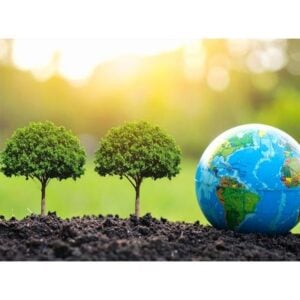
The article emphasizes that human well-being is deeply connected to the health of ecosystems and biodiversity. Natural systems such as forests, pollinators, wetlands, and green urban spaces play essential roles in supporting food production, regulating water systems, reducing flood risks, and maintaining environmental balance. Recognizing the growing threats to biodiversity, governments around the world have committed under the Kunming-Montreal Global Biodiversity Framework to protect and restore large portions of the planet’s land, water, and ecosystems by 2030.
Ahead of the International Day for Biological Diversity on 22 May, observed under the theme “acting locally for global impact,” the article encourages individuals to take practical steps to support biodiversity in their daily lives. It highlights how local actions can collectively contribute to global environmental protection and ecosystem restoration efforts.
One of the simplest yet most impactful actions discussed is planting trees. Trees help clean the air, prevent soil erosion, provide shade, and create habitats for countless species. However, successful tree planting requires long-term care and choosing native species that are well suited to local ecosystems. The article stresses the importance of planting the right tree in the right place and ensuring it survives and thrives over time.
The article also draws attention to the importance of insects, particularly pollinators such as bees and butterflies, which are essential for food production and ecosystem health. Insects face increasing threats from habitat destruction, pesticide use, and climate change. Creating small wildflower spaces, gardens, or insect shelters can provide food and safe habitats for pollinators, helping biodiversity recover even in urban environments.
Consumer choices are presented as another important factor influencing biodiversity. Agriculture occupies a significant portion of the world’s habitable land, and food production methods have major environmental impacts. The article encourages adopting more plant-rich diets, reducing food waste, and making environmentally conscious purchasing decisions that support sustainable farming and ecosystem protection.
The article further highlights the harmful effects of chemicals found in everyday cleaning and personal care products. These chemicals can damage waterways, soils, and ecosystems when released into the environment. Switching to natural or sustainably produced alternatives, reducing pesticide use, and using organic fertilizers such as compost are recommended as practical ways to support healthier ecosystems and biodiversity.
Beyond personal lifestyle changes, the article encourages people to actively support biodiversity initiatives by staying informed, participating in conservation programmes, and encouraging governments to accelerate action toward global biodiversity targets. It stresses that protecting nature requires collective action from individuals, communities, businesses, and governments alike.
The piece concludes by explaining the broader significance of the International Day for Biological Diversity and the UN Decade on Ecosystem Restoration. The decade-long global initiative, led by the United Nations Environment Programme and the Food and Agriculture Organization, aims to prevent, halt, and reverse ecosystem degradation worldwide. Through scientific research, political commitment, and financial support, the initiative seeks to restore billions of hectares of land and aquatic ecosystems while building a more sustainable and resilient future for both people and nature.