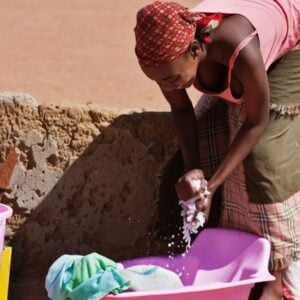
In April 2026, more than 130 leaders, policymakers, civil society representatives, and international partners gathered in Astana, Kazakhstan, to address the growing crisis of water scarcity, land degradation, and biodiversity loss in Central Asia. The side event, organized by UN Women alongside national institutions, highlighted the disproportionate impact of these challenges on women and girls, who carry much of the responsibility for household resource management and agriculture but remain underrepresented in professional and decision‑making roles in the water sector.
Speakers emphasized that climate and water challenges are not only environmental issues but also matters of governance, gender equality, and peace. UN Women’s Ceren Güven Güres stressed that these interconnected problems cannot be solved in isolation. Kazakhstan’s First Vice Minister Yerbol Tuyakbayev underscored the national priority of integrating gender approaches into climate and resource policies, linking them to broader goals of sustainable and inclusive development.
The dialogue built on the forthcoming Regional Action Plan on Women, Peace and Security, identifying gender‑responsive governance of natural resources as a strategic entry point for strengthening cooperation, resilience, and peace. Participants focused on enhancing women’s meaningful participation and leadership in decision‑making, while exploring partnerships and investment opportunities to support women‑led solutions.
Laura Karabassova, Rector of K. Zhubanov Aktobe Regional University, emphasized that inclusive approaches are essential for effective climate and water resource management, with women’s participation being both a matter of equality and a prerequisite for sustainable policies.
The event served as a platform for multi‑stakeholder dialogue, affirming that investing in women accelerates progress toward sustainable development and peace. The discussions will inform a Joint Statement on gender‑responsive governance in the water–climate–peace nexus, to be presented at the UN Water Conference 2026 and the High‑Level International Conference on Water for Sustainable Development in Dushanbe, Tajikistan.