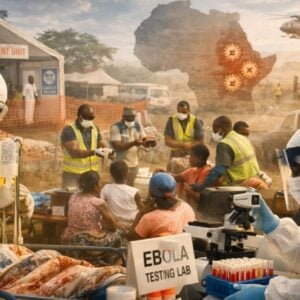
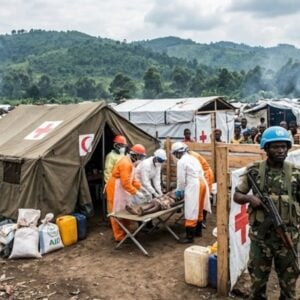
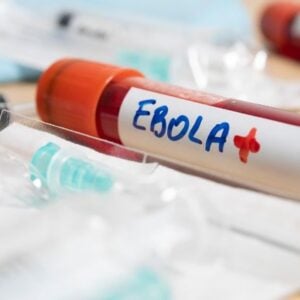
This week in Africa, the Bundibugyo Ebola outbreak in the Democratic Republic of Congo and Uganda has surpassed 1,000 cases, drawing strong condemnation from the Africa CDC and World Health Organization (WHO) against travel restrictions imposed by 15 countries. Leaders argue that bans hinder containment efforts, with WHO raising the DRC’s risk level to “very high” as the outbreak spreads to multiple provinces.
Africa CDC has estimated the cost of its six‑month response plan at nearly $319 million, with most funds directed to treatment centers, surveillance, and infection prevention. While pledges initially reached $500 million, commitments have since dropped to around $290 million. Contributions include support from South Africa, the Gates Foundation, and the World Bank.
In the absence of an approved vaccine for the Bundibugyo strain, WHO has prioritized clinical trials for three therapeutics — MBP134, Maftivimab, and remdesivir — while assessing whether existing Zaire‑strain vaccines could play a role.
Elsewhere, Mozambique has launched a $500 million plan to eliminate cholera by 2030, focusing on vaccination, safe water, and sanitation. Niger has recruited more than 6,000 health workers to expand rural healthcare access, while Togo continues its push toward ending HIV/AIDS by 2030, with prevalence rates showing modest declines.
The latest Global Hepatitis Report highlights the scale of the challenge, with 1.34 million deaths in 2024 and sub‑Saharan Africa remaining the epicenter. Despite progress, vaccination and treatment coverage remain critically low across the region.
Together, these developments underscore Africa’s simultaneous battles against infectious diseases and the urgent need for sustained investment in public health resilience.