Five rural communities across the Solomon Islands have strengthened their ability to respond to climate change following the successful completion of the Community-Based Adaptation (CBA) Phase III Programme, implemented through the United Nations Development Programme’s Global Environment Facility Small Grants Programme.
Funded by the Government of Australia, the programme invested US$150,000 between 2022 and 2026 in community-led initiatives focused on climate resilience, nature-based solutions, sustainable livelihoods, ecosystem restoration, climate-smart agriculture and coastal protection.
The programme concluded with a three-day workshop in June 2026, bringing together representatives from the five participating organisations, the Ministry of Environment, Climate Change, Disaster Management and Meteorology, and UNDP to review achievements, share lessons and discuss future collaboration.
Across Malaita Province, the Ado Rural Farmers Association in West Kwarae expanded its agroforestry nursery to improve food security and promote sustainable farming. In South Malaita, the Angouru Community Development Association restored mangrove ecosystems while establishing a community research and meeting centre to support environmental education and conservation.
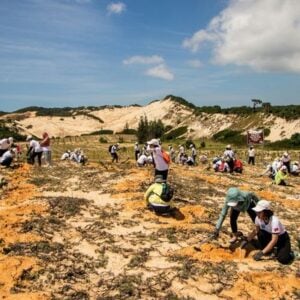
In West Are’are, the Kauhata Foundation Trust Board carried out large-scale reforestation to restore degraded landscapes. Afio Primary School implemented land restoration activities that improved environmental management and created safer access for students travelling to and from the school.
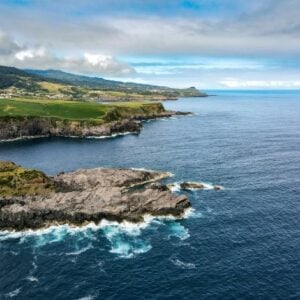
In Marau Sound, East Guadalcanal, the Wahere Community Association constructed a seawall to protect homes, infrastructure and livelihoods from coastal erosion and rising sea levels.
Together, the five projects have helped vulnerable communities strengthen climate resilience while encouraging the participation of women, young people and other underrepresented groups in climate adaptation and local decision-making.
Officials highlighted community ownership and local leadership as important factors behind the programme’s achievements. The projects demonstrated how locally designed initiatives can deliver practical benefits while supporting environmental conservation and sustainable development.
Participants also identified nature-based adaptation, inclusive participation and knowledge-sharing between communities as key elements that can strengthen future climate resilience efforts across the Solomon Islands.
The CBA Phase III Programme shows that relatively small investments in community-led solutions can generate environmental, social and economic benefits. By strengthening local organisations and building community capacity, the initiative has created a foundation for future climate action.
As climate risks continue to affect communities across the Solomon Islands, the experience gained through these projects could help guide future adaptation initiatives and ensure local communities remain at the centre of efforts to build a more climate-resilient country.