The United Nations Development Programme (UNDP) in India and Hindustan Unilever Limited (HUL) have announced a new phase of their partnership to strengthen India’s inclusive circular economy and improve end-to-end plastic waste management.
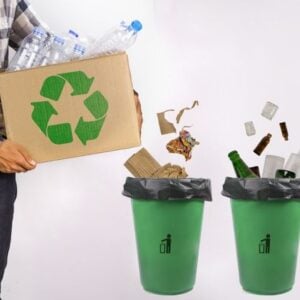
The partnership aims to support 50,000 Safai Mitras and strengthen waste management systems across 50 cities by 2028. The initiative will connect waste segregation and collection with recovery, recycling and the reintegration of materials into the economy.
A key focus will be the formalisation and improved livelihoods of Safai Mitras, with particular attention to women waste workers. The programme will also promote occupational safety, dignity and access to social security.
Across 50 cities and Urban Local Bodies, the partnership will strengthen decentralised and resilient waste management infrastructure, improve segregation at source and increase recycling efficiency.
The initiative forms part of Project Circular Bharat, HUL’s programme focused on developing financially viable, end-to-end plastic recycling models. UNDP will support policy alignment, implementation and systems strengthening. The partnership also includes Project Utthaan, which focuses on the social inclusion, safety and dignity of Safai Mitras.
The initiative is aligned with the Ministry of Social Justice and Empowerment and implemented in coordination with the Ministry of Housing and Urban Affairs. It also supports the Government of India’s Swachh Bharat Mission-Urban 2.0.
Over seven years, the UNDP-HUL partnership has supported 24,000 Safai Mitras and enabled waste segregation across 120,000 households through more than 20 partners across five states.
The expanded partnership aims to create scalable models for sustainable waste management while supporting the livelihoods and dignity of waste workers. It contributes to UN Sustainable Development Goals SDG 11 and SDG 12, focused on sustainable cities and responsible consumption and production.