The World Bank has approved a $200 million financing package to support the first phase of the Regional Program for Distributed Access through Renewable Energy Solutions (Regional DARES), a broader $853 million initiative aimed at expanding access to clean, reliable, and affordable electricity across Benin, the Central African Republic, Liberia, and Sierra Leone. The program seeks to address one of the largest electricity access gaps in the world by bringing renewable energy solutions to underserved rural and remote communities where traditional grid expansion remains difficult and costly.
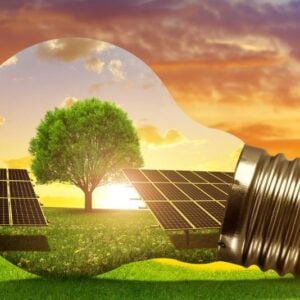
The initiative will promote the deployment of solar home systems, mini-grids, and other off-grid renewable energy technologies to provide electricity to households, businesses, schools, healthcare facilities, and agricultural enterprises. Nearly half of the population in West and Central Africa still lacks access to electricity, particularly in fragile and rural regions, limiting economic opportunities, productivity, and access to essential services.
A key objective of the program is to stimulate job creation and economic growth throughout the region. By expanding electricity access, Regional DARES is expected to generate employment opportunities across the renewable energy value chain, including manufacturing, installation, maintenance, distribution, and technical support services. Reliable electricity will also help farmers, cooperatives, and small businesses increase productivity, reduce operational losses, and develop higher-value economic activities, creating additional jobs and income opportunities for local communities.
The program introduces an innovative regional approach that combines demand from multiple countries into a unified market for distributed renewable energy solutions. Through results-based financing mechanisms, the initiative aims to attract significant private sector investment, accelerate project implementation, and improve the affordability of clean energy technologies. This regional collaboration is expected to strengthen market integration, improve efficiency, and increase the scale of renewable energy deployment across participating countries.
In addition to expanding energy access, the program will contribute to climate resilience and sustainable development by increasing renewable energy generation and reducing greenhouse gas emissions. Over time, Regional DARES is expected to provide clean electricity to millions of people, support low-carbon economic development, and strengthen resilience to climate-related challenges. The initiative also contributes to Mission 300, a joint effort by the World Bank Group and the African Development Bank to connect 300 million people in Africa to electricity by 2030, helping to transform lives, create jobs, and promote inclusive economic growth across the continent.