Indonesia is accelerating its transition toward a more secure, sustainable, and climate-resilient energy future with support from multiple United Nations agencies. As countries worldwide face energy price volatility, supply disruptions, and increasing climate risks, Indonesia is investing in renewable energy, energy efficiency, and community-based solutions to strengthen long-term energy security.
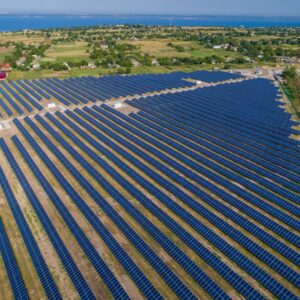
A key focus of the effort is modernizing the national electricity grid. Working alongside the state-owned electricity company PLN, the United Nations Office for Project Services (UNOPS) is helping identify more than two gigawatts of solar energy potential that can be integrated into the grid. The initiative aims to improve grid stability, reduce power outages, and decrease reliance on fossil fuels.
Energy efficiency measures are also playing a critical role. Through audits and policy reforms supported by UNOPS, households, businesses, and industries are reducing electricity consumption and improving overall system reliability. Meanwhile, the United Nations Industrial Development Organization (UNIDO) is helping major industries adopt cleaner production methods, reducing energy use, cutting costs, and lowering carbon emissions.
To support Indonesia’s ambitious goal of adding nearly 43 gigawatts of renewable energy capacity by 2034, the United Nations Development Programme (UNDP) is assisting the government in developing innovative financing mechanisms designed to attract public and private investment into renewable energy projects.
The transition is also creating new opportunities for workers and communities. The International Labour Organization (ILO) is supporting skills development and workforce planning to ensure that communities benefit from emerging green jobs while minimizing economic disruption.
In coastal regions, UNDP has helped thousands of small-scale fishers adopt solar-powered technologies and energy-efficient equipment, reducing fuel costs and improving livelihoods. At the same time, solar mini-grid projects have brought reliable electricity to remote villages, benefiting thousands of households while lowering energy expenses and reducing carbon emissions.
Women are also playing an increasingly important role in the country’s clean energy transition. Programmes supported by UN Women and the United Nations Environment Programme (UNEP) have enabled hundreds of women entrepreneurs to access green financing and adopt renewable energy technologies that support sustainable businesses and local economic growth.
According to United Nations Resident Coordinator Gita Sabharwal, these initiatives are helping Indonesia reduce dependence on volatile global energy markets, strengthen energy reliability, and build a more resilient future for communities across the country. As renewable energy investments continue to expand, Indonesia is emerging as a leading example of how energy security and sustainable development can advance together.