You are here: Home/cat/ Nepal Scales Up Locally Sourced School Meals Through LCIF and WFP Partnership
Nepal Scales Up Locally Sourced School Meals Through LCIF and WFP Partnership
The partnership between the Lions Clubs International Foundation (LCIF) and the World Food Programme (WFP) has been expanded in Nepal to strengthen locally sourced school meal programs for children. Following the success of a one-year pilot project completed in 2025, the initiative will continue during 2026–2027 with a joint investment of USD 500,000 from LCIF and WFP USA. The program aims to provide reliable and nutritious school meals to approximately 70,000 children while supporting local governments in managing sustainable school feeding systems.
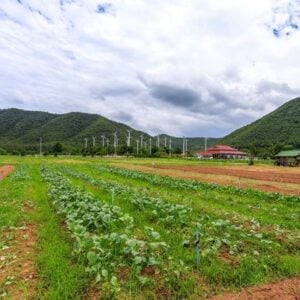
The initiative promotes the Home-Grown School Feeding approach, which connects schools with nearby farmers and cooperatives. By sourcing food locally, the program improves the nutritional quality of meals, creates stable market opportunities for smallholder farmers, and contributes to rural economic development. The approach also supports Nepal’s national efforts to reduce child malnutrition and improve school attendance.
The partnership focuses on building stronger and more sustainable food systems by helping schools transition from externally supplied food to locally designed meal plans. This model strengthens links between education, agriculture, nutrition, and community development while encouraging greater local ownership of school feeding programs.
In addition to food provision, the project invests in safer and more efficient school kitchens. Improvements include better ventilation, clean cooking technologies, and enhanced hygiene facilities, helping schools prepare meals safely while reducing environmental impacts and dependence on traditional fuels.
The Government of Nepal views the initiative as an important step toward creating a sustainable, locally driven school meal system that supports national development priorities. Community involvement, volunteer networks, and collaboration with local authorities further strengthen implementation and ensure long-term benefits for children, farmers, schools, and communities across the country.
Overall, the expanded partnership demonstrates how school feeding programs can simultaneously improve child nutrition, support education, strengthen local agriculture, and build more resilient food systems in Nepal.