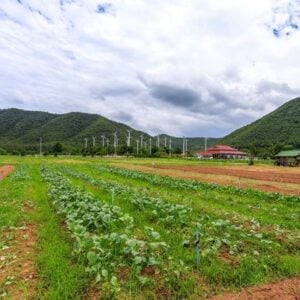
Cameroon has officially launched its 2026 farming season in the northern regions as authorities work to increase agricultural production and strengthen food security in some of the country’s most vulnerable areas.
The launch ceremony took place in Poli, located in the North Region, which forms part of Cameroon’s northern agricultural belt alongside the Adamawa and Far North regions.
Agriculture remains a key source of livelihoods across Cameroon, but the northern regions face growing challenges linked to food shortages, climate pressures, and insecurity. The arrival of refugees fleeing conflicts in neighboring countries, including Nigeria, Chad, and the Central African Republic, has added pressure on local food systems.
Food insecurity remains particularly severe in the Far North region, where humanitarian organizations have identified significant challenges affecting rural communities. Population growth, difficult weather conditions, and repeated agricultural production losses continue to impact food availability.
The 2026 farming season is expected to focus on improving crop production, especially cereals, which are among the most important food staples in northern Cameroon. Increasing cereal output is seen as a critical step toward meeting local demand and reducing dependence on external food supplies.
Authorities hope the new agricultural campaign will improve rural incomes, support farming communities, and build greater resilience against future food security challenges.
The initiative reflects broader efforts to strengthen Cameroon’s agricultural sector and create more sustainable food systems in regions facing economic and environmental pressures.