Viet Nam’s 3,200-kilometer coastline plays a vital role in the country’s economy, environment, and social development. As the nation pursues ambitious economic growth targets, leaders increasingly recognize that long-term prosperity must be achieved alongside environmental protection and climate resilience. The government has identified ocean conservation, green development, and climate adaptation as key pillars of the country’s future development strategy.
However, Viet Nam faces growing challenges in managing its marine resources. Rapid expansion of offshore wind energy, oil and gas exploration, commercial fishing, and maritime transport has intensified competition for ocean space. Without effective planning, these activities could damage marine ecosystems, create conflicts among industries, discourage investment, and slow the transition to a sustainable blue economy. Despite its rich marine biodiversity, less than 1% of Viet Nam’s marine area is currently protected, far below the national target of 6%.
Recognizing these challenges, Viet Nam has strengthened international cooperation to improve ocean governance. A major milestone was the signing of the Norway–Viet Nam Green Strategic Partnership in April 2026. Through this partnership, Viet Nam gains access to Norway’s extensive experience in sustainable ocean management, offshore renewable energy, marine research, aquaculture, and environmental protection. Norwegian institutions are providing technical expertise to help Viet Nam adapt international best practices to local conditions.
Over the last four years, significant progress has been made through a UNDP-supported Marine Spatial Planning project funded by Norway. This initiative helped Viet Nam establish the National Marine Spatial Plan and Coastal Master Plan, creating the country’s first comprehensive framework for balancing economic development with marine conservation. These plans provide guidance for managing marine resources more effectively while reducing conflicts between different ocean-based industries.
The project also introduced innovative tools to improve ocean governance, including the Blue Economy 2.0 strategy, the Provincial Blue Economy Index, and practical lessons from Viet Nam’s marine planning experience. These initiatives have helped national and provincial authorities better understand integrated marine management and support evidence-based decision-making.
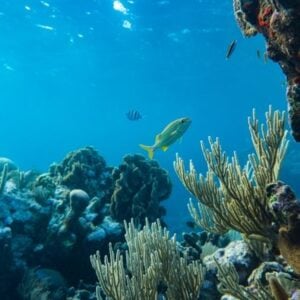
Several pilot projects have demonstrated the benefits of sustainable ocean management. Coastal provinces such as Quang Ninh, Hai Phong, and Khanh Hoa have implemented marine zoning plans, coral reef restoration activities, and innovative blue business initiatives. These efforts are helping restore marine ecosystems while creating new economic opportunities linked to sustainable marine industries. Training programs have also strengthened the capacity of hundreds of government officials and marine management practitioners.
To build on these achievements, Norway has committed additional funding exceeding USD 1.2 million for a second phase of the project running from 2026 to 2029. The next phase focuses on turning plans into concrete actions by addressing institutional, spatial, and financial barriers to sustainable ocean development.
A key priority will be supporting all 21 coastal provinces in implementing Marine Spatial Planning. This includes adapting national guidelines to local conditions, strengthening management capacity, and expanding marine conservation efforts. Authorities will also use the Provincial Blue Economy Index to monitor progress and ensure that environmental sustainability remains aligned with economic growth objectives.
Another important component is the creation of Marine Coordination Platforms at national and provincial levels. These platforms will bring together government agencies, researchers, fisheries representatives, energy companies, logistics operators, and other stakeholders. By encouraging collaboration and using advanced mapping technologies, the platforms aim to reduce competition over ocean space and promote integrated planning for multiple marine uses.
The project also seeks to increase private-sector investment in the blue economy. Since public funding alone cannot meet future development needs, efforts will focus on improving public-private partnerships, expanding access to marine data, and preparing investment-ready projects in sectors such as offshore wind energy, sustainable aquaculture, and marine conservation. Innovative financing mechanisms, including blue bonds and blue carbon markets, are expected to attract additional investment while supporting environmental sustainability.