United Nations Secretary-General António Guterres has called for urgent global action to address the climate crisis, warning that continued dependence on fossil fuels is increasing environmental damage, economic instability, and energy insecurity. In a major speech during London Climate Action Week, the UN chief presented a roadmap for accelerating the transition to clean energy.
Guterres emphasized that climate change and recent global energy challenges share a common cause: reliance on fossil fuels. He urged governments to increase climate ambition, expand renewable energy investments, and protect communities already suffering from climate impacts.
The UN’s proposed approach focuses on rapidly reducing emissions, scaling up renewable energy, improving climate adaptation, and ensuring a fair transition for workers and developing economies. The plan calls for global emissions to peak immediately and reach net-zero levels by 2050, supported by stronger action against methane pollution.
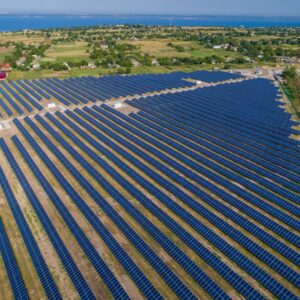
The Secretary-General highlighted the rapid progress of clean technologies, noting that the cost of solar energy, wind power, and battery storage has fallen dramatically in recent years. He said renewable energy provides a clear pathway toward greater energy independence and long-term sustainability.
A major part of the blueprint addresses the environmental impact of artificial intelligence. Guterres called on major technology companies to disclose the carbon, water, and land impacts of their data centres and ensure they are powered by renewable energy by 2030.
The UN chief also stressed the importance of climate justice, urging greater financial support for developing countries to invest in clean energy, resilience, and sustainable development. He warned that many countries with strong renewable energy potential continue to face barriers due to limited access to affordable financing.
Protecting vulnerable communities remains a central priority. The plan calls for stronger adaptation measures, early warning systems, and increased investment to help people prepare for extreme weather events and other climate-related risks.
Guterres concluded that the clean energy transition is already underway, but its success depends on global cooperation, scientific action, and political commitment. The choices made today will determine whether the future energy system is fair, sustainable, and resilient for generations to come.