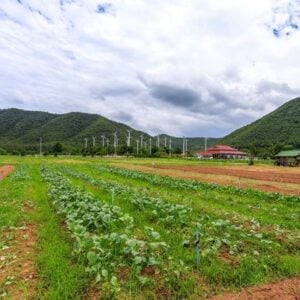
In Bangladesh’s coastal southwest, women farmers are using climate-smart agriculture to strengthen food security, increase household income and build resilience against the growing impacts of climate change. In Satkhira district, one of the country’s most climate-vulnerable regions, women are transforming unused and leased land into productive vegetable gardens despite challenges such as salinity, cyclones, tidal flooding and waterlogging.
Through the Gender-responsive Coastal Adaptation Project, women have received agricultural training, small livelihood grants and practical support to improve local food production. Farmers such as Ambia Khatun are now growing vegetables including bottle gourd, red amaranth, chili peppers and eggplants at home, helping reduce household food expenses while earning income from surplus produce sold to neighbours.
The initiative has also encouraged collective farming among women. In Bardal Union, members of the Sheuli Women Livelihood Group used a small cash grant to lease land and cultivate crops together. After their first harvest of mustard and turmeric, the group expanded into cauliflower, spinach, beetroot, potatoes, chili peppers and kohlrabi using organic farming methods that avoid chemical inputs.
The project is funded by the Green Climate Fund and the Government of Bangladesh and implemented by UNDP and NGO Forum for Public Health. It supports climate-vulnerable communities by combining livelihood development, women’s empowerment and access to safe water, helping families adapt to environmental stress while improving economic stability.
In neighbouring Khulna district, women such as Konkolota Mondol are also using climate-resilient agriculture to improve their livelihoods and challenge traditional gender roles. After receiving training in vegetable cultivation, sesame farming and aquageoponics, she expanded production around her home and began selling vegetables and fish in local markets, despite early criticism from her community.
The impact of these efforts extends beyond income generation. Women farmers report greater confidence, stronger decision-making power and increased participation in community life. By earning money and contributing to household needs, they are improving nutrition, supporting children’s education and strengthening family welfare.
Experts emphasize that climate adaptation must go beyond infrastructure such as embankments and roads. Strengthening the economic capacity of local communities, especially women, is essential for long-term resilience. The experience of women farmers in Satkhira and Khulna shows that even modest support, when combined with training and cooperation, can create meaningful transformation.
Across Bangladesh’s climate-vulnerable coastal communities, women-led farming is becoming a powerful example of adaptation in action. What began as small grants and training sessions has grown into stronger livelihoods, safer food production, improved confidence and greater community resilience. These women are not only cultivating vegetables, but also building more secure and independent futures for themselves and their families.