New data from the IPC shows that nearly 19.5 million people in Sudan are facing acute food insecurity, with projections indicating that 825,000 children under five will suffer from severe acute malnutrition in 2026. This represents a sharp increase compared to previous years, driven by ongoing conflict, adverse weather, and the collapse of basic services. The report also warns that 14 areas are at risk of famine, a figure slightly lower than last year but reflecting data limitations rather than improved conditions.
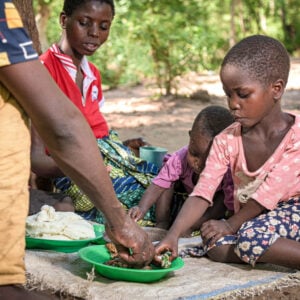
Families across Sudan are struggling to survive, often resorting to eating leaves, grass, or animal feed, skipping meals, or prioritizing food for certain family members. The crisis is compounded by the destruction of 37% of health services and the displacement of 13.5 million people, making Sudan the site of the world’s largest displacement crisis. Overall, nearly 34 million people — two‑thirds of the population — will require humanitarian aid this year, the highest figure globally.
The timing of this crisis is particularly critical as the rainy season coincides with food scarcity, disrupting markets and reducing agricultural production. Geopolitical tensions in the Middle East and disruptions in the Strait of Hormuz are worsening the situation, with fertilizer imports and essential medicines stranded, further threatening food production and healthcare access.
Action Against Hunger is working to adapt its response by identifying alternative supply routes and continuing to deliver food, medicines, and healthcare through mobile clinics to isolated communities. Last year, the organization reached more than 600,000 people with nutrition, water, health, and food security programs.
The organization warns that without urgent diplomatic action and increased funding, the rainy season and geopolitical tensions could deepen the crisis, leaving more people trapped between hunger and violence. Ensuring humanitarian access, protecting civilians and aid workers, and repairing essential infrastructure are critical to preventing further deterioration.