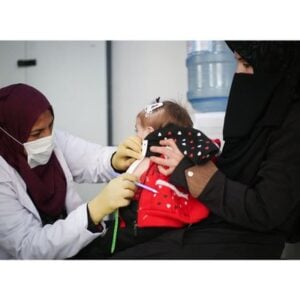
Acutely malnourished children in Somalia are already suffering the consequences of a worsening global food crisis. Conflict in the Middle East and the closure of the Strait of Hormuz have disrupted humanitarian supply chains, forcing aid to be rerouted at higher costs and longer delays. The price of importing therapeutic peanut‑based food has more than tripled in two months, reducing the reach of treatment programs from 300 children to just 83 of the most severe cases.
The crisis is deepening across Somalia, where one in three people face acute food insecurity. Nearly 2 million are classified in Emergency (IPC Phase 4), an increase of over half a million since earlier projections. Almost 1.9 million children are expected to require treatment for acute malnutrition in 2026. CARE Somalia Country Director Ummy Dubow described the situation as one where every delay and shortage translates into lost chances for children, with hunger becoming a death sentence.
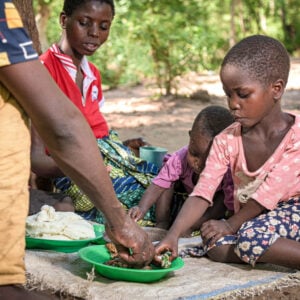
Sub‑Saharan Africa is among the regions most exposed to the ripple effects of the conflict. The FAO has warned that even a 10% reduction in fertilizer availability could drive food inflation up by 8%, worsening affordability of staple foods. In Malawi, more than four million people—nearly a quarter of the population—are already experiencing crisis levels of food insecurity. The country’s reliance on imports through the Strait of Hormuz has led to sharp increases in fertilizer and fuel costs, with fuel prices rising by 35%.
These pressures are disproportionately affecting women, who often bear the responsibility of stretching household budgets, selling assets, and cutting their own consumption. In Malawi, the shocks are increasing risks of hunger, school dropouts, and harmful coping mechanisms such as early marriage, underscoring the far‑reaching social consequences of the global food crisis.