Norway has announced that it will provide nearly NOK 700 million in funding to support global women’s rights initiatives through the United Nations Population Fund (UNFPA) and UN Women in 2026. The funding aims to strengthen gender equality, improve women’s health services, and protect the rights of women and girls worldwide at a time when many countries are experiencing setbacks in women’s rights and reproductive freedoms.
Minister of International Development Åsmund Aukrust stated that Norway is deeply concerned about growing restrictions on women’s rights in several parts of the world. He highlighted issues such as reduced access to safe abortion services, limited availability of modern contraception, unsafe childbirth conditions, rising violence against women, and the increasing use of sexual violence as a weapon during conflicts. According to Aukrust, Norway is using both political and financial support to strengthen international efforts led by UNFPA and UN Women.
Under the 2026 funding plan, Norway will contribute NOK 589.6 million to UNFPA and NOK 100.3 million to UN Women. The financial support remains at the same level as the contributions made during 2024 and 2025, demonstrating Norway’s continued commitment to gender equality and women’s rights globally.
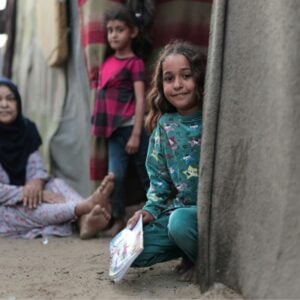
The Norwegian government considers UNFPA and UN Women to be among its most important international partners in promoting sexual and reproductive health and rights for women and girls. The funding will help both organizations respond to humanitarian crises and conflicts where women and girls are especially vulnerable, including in countries such as the Central African Republic, the Democratic Republic of the Congo, Haiti, Somalia, and South Sudan.
The support will be used for a wide range of humanitarian and development activities. These include providing protection services and healthcare to survivors of violence during crises, supporting safe childbirth and maternal healthcare, preventing child marriage and female genital mutilation, and expanding access to family planning and reproductive health services. In 2024 alone, these initiatives reached hundreds of thousands of women and girls affected by conflict and instability.
Norway’s support will also contribute to efforts aimed at helping countries develop national action plans focused on women, peace, and security. These initiatives are designed to prevent conflict, encourage inclusive governance, and strengthen the participation of women in peacebuilding and decision-making processes.
The announcement also highlighted several alarming global statistics related to women’s health and safety. More than 700 women die every day from preventable causes related to pregnancy and childbirth, while millions still lack access to modern contraception. The report noted that six out of ten unintended pregnancies end in abortion, with nearly half of those abortions considered unsafe. Additionally, over 230 million girls and women worldwide have experienced female genital mutilation.
The statement further emphasized the growing impact of violence against women globally. Conflict-related sexual violence increased significantly in 2024, with humanitarian needs for survivors sharply rising in countries affected by war, particularly Sudan. The report also noted that nearly one in three women worldwide have experienced intimate partner violence or sexual violence during their lifetime.
According to Aukrust, weakening democracy and human rights protections often contribute to rising conflict and instability. He stressed that strengthening the United Nations remains an important priority for Norway because of its role in promoting international standards related to gender equality, inclusion, and women’s health rights.
UN Women continues to play a major role in supporting gender equality policies and coordinating UN efforts related to women’s rights across countries and regions. The organization also works to develop international frameworks and commitments that promote equal rights and opportunities for women and girls.
UNFPA remains one of the leading global organizations working on sexual and reproductive health and rights. Its work includes maternal healthcare, family planning, sexuality education, and programs to prevent gender-based violence, child marriage, and female genital mutilation. Despite its global importance, the organization often faces political resistance in countries where reproductive rights and gender equality remain controversial issues.
Norway’s latest funding commitment reflects its long-term strategy of supporting international organizations that protect women’s rights, improve healthcare access, and promote gender equality in some of the world’s most vulnerable and conflict-affected communities.